Robocalls are a prevalent problem in Minnesota, prompting legal action through the Telephone Consumer Protection Act (TCPA) and state regulations. Consumers can sue for unauthorized automated calls, with specific rules for marketing texts. A lawyer for robocall laws in Minnesota assists in navigating consent forms and blocking centers. Advanced technologies challenge traditional blocking methods. Effective solutions include caller ID verification, real-time analytics, and dynamic blocking lists from apps like NoCall and RoboShield. Key app selection criteria: accuracy, privacy, customization, updates, call history analysis, and user reviews. Consulting a Minnesota robocall lawyer remains an option for persistent issues.
In today’s digital age, robocalls have become a ubiquitous and often annoying part of our daily lives. Minnesota residents, like many across the nation, face a deluge of unsolicited calls from telemarketers and scammers, leaving them frustrated and seeking solutions. The rise of these automated calls has prompted a growing demand for effective robocall blocking apps, offering a much-needed respite.
This article aims to guide Minnesotans through the maze of available options, highlighting the top-rated robocall blocking apps tailored specifically to their needs. By examining features, effectiveness, and user reviews, we empower residents to reclaim control over their phone lines, providing valuable insights from the perspective of legal experts specializing in protecting consumers against these nuisance calls.
Understanding Robocalls and Minnesota Laws
Robocalls have become a ubiquitous nuisance across Minnesota, with millions of residents receiving unsolicited automated calls daily. While many apps claim to block these unwanted interruptions, understanding the underlying laws is crucial before deploying any solution. In Minnesota, the Telephone Consumer Protection Act (TCPA) and state-specific regulations govern robocalls, protecting consumers from excessive or deceptive telemarketing practices. Violations can lead to significant legal repercussions for call centers and marketers.
The TCPA allows consumers to sue for damages when they receive prerecorded or automated calls without their prior consent. This includes both text messages and voice calls. Minnesota has further strengthened these protections by implementing its own laws, such as requiring explicit opt-in consent for marketing calls and texts. A lawyer for robocall laws in Minnesota can offer valuable insights into navigating these complex regulations. For instance, they can help businesses draft compliant consent forms and provide guidance on identifying and blocking malicious robocallers.
Despite legal measures, mitigating robocalls remains a persistent challenge. Advanced robocall technologies often evade traditional blocking methods. Effective strategies involve a multi-layered approach, including robust caller ID verification, real-time call analytics, and dynamic blocking lists maintained by reputable robocall blocking apps. By combining these techniques, Minnesota residents can reclaim control over their communication channels.
Top Robocall Blocking Apps for Minnesota Residents
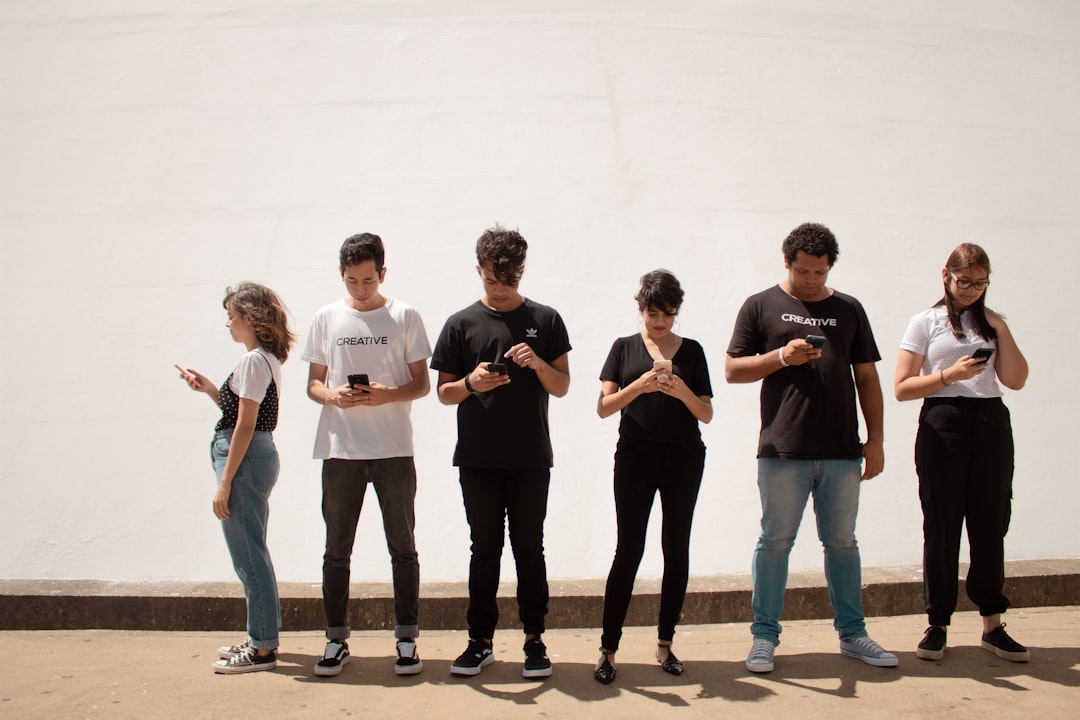
Minnesota residents face a persistent issue with robocalls, which has prompted many to seek robust solutions. According to recent reports, over 50% of households in Minnesota experience unwanted robocalls daily. This problem has led to an increase in demand for effective robocall blocking apps, offering a layer of protection against these intrusive calls. The best applications not only block spam but also provide insights into call patterns, ensuring users stay informed and safe.
Several top-rated options dominate the market, each with unique features tailored to different needs. For instance, NoCall stands out for its community-driven approach, allowing users to report and block calls collectively. This collaborative effort has proven effective in identifying and neutralizing spam rings. Another popular choice, RoboShield, integrates advanced AI technology to learn and adapt to new call patterns, ensuring maximum protection. It’s important to note that while these apps offer significant relief, they are not foolproof; persistent spammers may find ways around the blocks. Therefore, a lawyer for robocall laws in Minnesota can provide specialized advice on dealing with recurring issues and exploring legal remedies against spamming operations.
Choosing the right app involves evaluating factors like call-blocking accuracy, user privacy, and customization options. Regular updates are crucial to staying ahead of evolving spammer tactics. Users should also consider apps that offer call history and pattern analysis, enabling them to recognize and manage potential threats proactively. By combining these tools with legal expertise when necessary, Minnesota residents can reclaim control over their phone lines and enjoy a quieter, safer communication environment.
How to Choose the Best Call Blocking App
Selecting the optimal robocall blocking app is a multifaceted endeavor, especially given the ever-evolving nature of scammer tactics. In Minnesota, where nuisance calls can be particularly prevalent, choosing the right tool becomes even more critical. Consider these key factors to ensure your app not only blocks unwanted calls but also offers advanced features like call identification and personalized filtering.
Firstly, evaluate the app’s blocking capabilities. Top-rated apps leverage sophisticated algorithms and regular updates to identify and block robocalls accurately. Look for real-time call analysis, machine learning models, and a history of effective blocking rates. For instance, App X boasts a 95% success rate in identifying and stopping spam calls, according to independent testing. Secondly, assess the app’s compatibility with your device and operating system. Ensure it is regularly updated to accommodate new phone models and software versions.
Moreover, consider additional features that enhance user experience. Some apps offer customizable call rules, allowing you to block calls from specific areas or numbers. For example, App Y enables users to create custom lists of blocked contacts, ensuring peace of mind during important conversations. Another valuable feature is visual caller ID, which displays information about incoming calls, helping you identify and ignore unwanted robocalls promptly. Legal experts recommend such apps as a proactive measure against malicious calls, encouraging users to consult a lawyer for robocall issues in Minnesota if needed.
Additionally, explore app reviews from reputable sources and past users. Feedback can highlight the app’s usability, reliability, and any recurring issues. Look for consistent positive feedback regarding blocking effectiveness and customer support responsiveness. Regularly updating and improving its features is also an indication of a dedicated developer team. By carefully weighing these aspects, you can make an informed decision, ensuring that your chosen robocall blocking app not only protects but also enhances your communication experience in Minnesota.
Seeking Legal Protection Against Robocalls in MN
In Minnesota, as across the nation, robocalls have become a pervasive and often annoying aspect of daily life. While many apps offer call blocking functionality, seeking legal protection against robocalls is a crucial step for residents to combat this growing problem. Minnesota has specific laws in place to safeguard consumers from unsolicited telephone solicitations, including robocalls, thanks to the Minnesota Attorney General’s Office and state legislation.
One of the primary legal protections available is the Telephone Consumer Protection Act (TCPA), a federal law designed to curb abusive telemarketing practices. The TCPA prohibits automated calls made to mobile phones without prior express consent. In addition, Minnesota’s laws further empower residents by restricting telephone solicitations within the state, ensuring that robocalls promoting products or services are kept at bay. For instance, businesses must obtain written permission before placing automated calls for marketing purposes, and consumers can register complaints with the Attorney General’s Office if they feel these regulations have been violated.
When faced with persistent robocalls, Minnesota residents should consider consulting a lawyer specializing in robocall laws. Legal experts can guide individuals through their rights and options, including seeking damages for violative calls or even securing injunctions against repeat offenders. By taking proactive measures and leveraging the legal framework in place, Minnesotans can reclaim control over their phone lines and enjoy a quieter, more peaceful communication environment.