Robocalls are a significant issue in Minnesota, prompting strict state laws under the Telephone Consumer Protection Act (TCPA). Residents can protect themselves by blocking calls, filing complaints with regulatory bodies, and consulting a lawyer for robocall laws Minnesota. Legal experts guide businesses through complex regulations, offering tailored advice on identifying violators, navigating TCPA rules, and setting up advanced call blocking systems. Effective long-term strategies include understanding state laws, investing in AI/machine learning technologies, verifying caller IDs, and fostering a culture of vigilance to combat evolving robocall tactics.
In today’s digital age, robocalls have become a pervasive and often annoying nuisance, particularly in densely populated areas like Minnesota. These automated phone calls, while sometimes informative, frequently invade personal time and privacy, leading to a growing need for effective solutions. The sheer volume of robocalls can be overwhelming, prompting many residents to seek relief from this modern-day frustration. This article provides an in-depth guide on swiftly curbing robocalls in Minnesota, offering practical strategies and emphasizing the role a lawyer for robocall laws can play in navigating this complex issue.
Understand Robocall Laws in Minnesota

Robocalls are a pervasive issue across Minnesota, with many residents receiving unwanted automated calls daily. To combat this problem effectively, it’s crucial to understand the state’s laws governing robocalls. Minnesota has implemented stringent regulations to protect consumers from intrusive and fraudulent automated calls, providing individuals with significant legal recourse. The Minnesota Attorney General’s Office plays a pivotal role in enforcing these laws and offering guidance to residents.
The Telephone Consumer Protection Act (TCPA) serves as the primary legal framework, which prohibits prerecorded or artificial messages from being sent to any telephone without prior express consent. This means that businesses and telemarketers must obtain explicit permission from recipients before initiating automated calls. In Minnesota, violating this law can result in substantial penalties for offenders, including both monetary fines and consumer compensation. A lawyer specializing in robocall laws Minnesota can provide invaluable assistance in navigating these complex regulations and ensuring compliance to avoid legal repercussions.
For instance, a recent case involved a national telemarketing company that faced multiple TCPA violations after sending marketing calls to Minnesota residents without their consent. The company was fined heavily and ordered to compensate affected consumers. This underscores the importance of adhering to robocall laws in Minnesota and highlights the potential consequences for non-compliance. By staying informed about these regulations, businesses can avoid legal troubles and maintain consumer trust, fostering a more transparent and ethical telemarketing environment in the state.
Identify and Block Callers Legally
In Minnesota, as across the nation, robocalls have become a pervasive nuisance, with millions of unwanted calls inundating residents’ phone lines daily. While various methods can help mitigate these calls, identifying and blocking callers legally offers a robust defense. The first step involves understanding the legal framework surrounding robocalls in Minnesota. The Telephone Consumer Protection Act (TCPA) is a federal law that restricts automated or prerecorded calls to telephone numbers assigned to wireless devices without prior express consent from the recipient. State laws, such as those in Minnesota, often mirror federal regulations, further empowering individuals to take action against relentless robocallers.
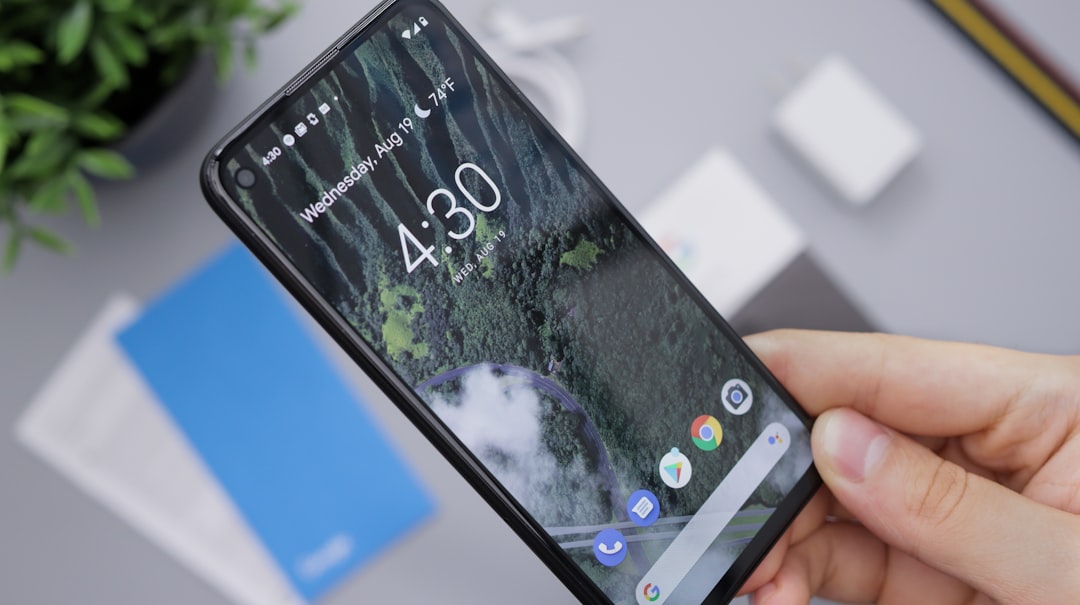
To identify and block callers legally, Minnesota residents can follow a structured approach. Start by obtaining a robocall blocking app or utilizing built-in call screening features on your smartphone. These tools can help categorize incoming calls, allowing you to automatically block known robocallers. Additionally, consult with a lawyer for robocall laws in Minnesota to gain a comprehensive understanding of your rights and available legal avenues. A legal expert can guide you through the process of filing a complaint with state or federal regulatory bodies, such as the Federal Communications Commission (FCC), which enforces TCPA regulations. Filing a complaint not only helps curb robocalls but also serves as a deterrent to potential violators.
Furthermore, maintaining an up-to-date caller ID blacklist and regularly reviewing call logs can provide valuable insights into recurring robocallers. Documenting the frequency and nature of these calls is essential when pursuing legal action or reporting violations to a lawyer for robocall laws in Minnesota. By combining technological solutions with legal expertise, residents can effectively combat robocalls, enjoying greater peace of mind and a more tranquil communication experience.
Consult a Lawyer for Effective Solutions
Robocalls are a pervasive problem in Minnesota, with many residents receiving unwanted automated calls daily. While there are numerous DIY methods to try and block these calls, their effectiveness is often limited. One underutilized yet highly effective strategy is to consult a lawyer for robocall laws Minnesota. These legal professionals have an in-depth understanding of the state’s consumer protection legislation and can provide tailored advice and robust solutions.
A lawyer specializing in robocall laws can help you navigate complex regulations, such as the Telephone Consumer Protection Act (TCPA), which prohibits certain types of automated calls without prior consent. They can assist in identifying violators and pursuing legal action if necessary. For instance, a recent case in Minnesota saw a resident, with the aid of a lawyer, successfully sue a company for repeated robocalls, resulting in a substantial settlement. This demonstrates the power of legal intervention to deter such activities.
Additionally, a lawyer can help you register on the national “Do Not Call” registry and ensure your number is added to state-specific lists. While these measures alone may not stop all robocalls, they are essential first steps. A legal expert can also guide you in setting up robust call blocking systems and providing documented proof of harassment, which is crucial when taking official complaints to relevant authorities. By combining legal knowledge with technical solutions, individuals in Minnesota can effectively combat the deluge of unwanted automated calls.
Implement Long-Term Prevention Strategies

In Minnesota, as across the nation, robocalls remain a significant nuisance, with millions of unwanted calls flooding phone lines daily. While short-term solutions like blocking numbers or signing up for Do Not Call lists offer some relief, they are not robust defenses against persistent and evolving robocallers. To achieve lasting protection, individuals and businesses must implement comprehensive long-term prevention strategies. A key component involves understanding the legal framework in place to combat these calls, beginning with Minnesota’s specific regulations and seeking guidance from a lawyer for robocall laws.
One effective strategy is to invest in advanced call blocking technologies that leverage artificial intelligence (AI) and machine learning algorithms. These tools can analyze calling patterns and identify suspicious activity, automatically filtering out known robocallers. Additionally, businesses should implement robust caller ID verification processes, ensuring only legitimate calls from verified sources are received. For instance, companies like Google offer call screening services that allow users to review and accept or block incoming calls based on the caller’s information.
Moreover, educating employees about robocall risks and best practices is vital. This includes training them to recognize suspicious calls, report potential robocalls, and follow established procedures for handling unknown callers. Encouraging a culture of vigilance can significantly reduce the effectiveness of automated calling campaigns by making it more challenging for scammers to achieve their desired outcomes. Regularly updating and testing these protocols ensures that defense mechanisms remain robust against new robocall tactics.