
Robocalls pose significant privacy issues nationwide, including in Minnesota, with 40 billion unwanted calls annually. Minnesota offers strong legal protections through the Minnesota Telemarketing Act, prohibiting automated dialers without prior consent and mandating clear opt-out language. Residents can use "Do Not Call" registries and robocall blocking apps like CallGuard, TrueCall, or NoCall, which employ advanced algorithms to filter incoming calls. Consulting a lawyer for robocall laws in Minnesota ensures compliance with the Telephone Consumer Protection Act (TCPA) and state regulations, providing tailored guidance on restrictions and damages for unwanted calls. Combining technical safeguards with legal expertise empowers residents to aggressively combat robocalls.
In today's digital era, Minnesota residents face an increasingly common nuisance: robocalls. These unsolicited phone calls from automated systems can be frustrating, invasive, and even harmful. With the rise of sophisticated technology, differentiating legitimate calls from scams has become a challenge. This is where top-tier robocall blocking apps step in as a vital defense mechanism.
This article aims to guide Minnesota residents through this labyrinthine issue by reviewing the best robocall blocking applications available. By understanding the problem and exploring effective solutions, individuals can reclaim control over their communication channels, ensuring peace of mind with the help of legal experts specializing in consumer privacy rights.
Understanding Robocalls: A Minnesota Resident's Guide

Robocalls have become a pervasive and often irritating aspect of modern life for Minnesota residents, with over 40 billion unwanted calls placed nationwide each year, according to recent studies. These automated phone calls, used extensively by telemarketers, debt collectors, and political campaigns, can be particularly intrusive when they violate individual privacy or constitute fraudulent activities. Understanding the nature and legal implications of robocalls is essential for Minnesota residents looking to protect themselves from these unwanted intrusions.
Minnesota has specific laws in place to address robocalling practices, with a focus on consumer protection and privacy. The Minnesota Attorney General's Office actively investigates complaints related to telemarketing fraud, including unauthorized robocalls, and takes legal action against violators. A lawyer for robocall laws in Minnesota can offer crucial guidance on navigating these complex regulations, helping residents understand their rights and the steps to take if they receive illegal or harassing calls. For instance, the state's "Do Not Call" registry allows individuals to opt-out of most telemarketing calls, and violations of this registry can lead to significant penalties for call centers.
While blocking robocalls entirely can be challenging due to the evolving nature of these technologies, Minnesota residents have several effective tools at their disposal. Top robocall blocking apps like CallGuard, TrueCall, or NoCall offer sophisticated algorithms that analyze and filter incoming calls, significantly reducing the volume of unwanted robocalls. These apps not only block known telemarketers but also learn to identify new patterns, ensuring a more robust defense against emerging robocalling tactics. By combining these technological solutions with legal awareness and proactive measures, Minnesota residents can reclaim their phone lines from unwanted intrusions, enjoying greater peace of mind in an era dominated by automated communication.
Legal Protections: Minnesota Law on Unwanted Calls

Minnesota residents have certain legal protections against unwanted phone calls, particularly robocalls, thanks to state laws designed to safeguard consumers from deceptive or harassing marketing practices. The Minnesota Law on Unwanted Calls, administered by the Minnesota Attorney General's Office, offers comprehensive guidelines for businesses and organizations engaging in telemarketing activities. This legislation, known as the Minnesota Telemarketing Act, prohibits automated dialer systems from making calls without prior express consent of the recipient.
One of the key provisions is the requirement for clear and conspicuous opt-out language during the initial call. Businesses must inform callers that they can refuse future calls by simply stating "stop" or a similar phrase. Failure to honor these requests can result in legal repercussions, including substantial fines. Moreover, the law mandates that companies obtain written consent before adding telephone numbers to their calling lists, ensuring consumers have control over who contacts them. These stringent rules make Minnesota a challenging territory for telemarketers engaging in unauthorized robocalls.
In cases where residents experience persistent or illegal robocalls, consulting with a lawyer specializing in robocall laws Minnesota is advisable. Legal professionals can guide individuals through the complexities of the Minnesota Telemarketing Act and help them understand their rights. They can also take proactive steps to block such calls by advising on the use of reputable robocall blocking apps and providing strategies for effective consumer advocacy. By leveraging these legal protections, Minnesota residents can enjoy greater peace of mind when answering their phones.
Top Robocall Blocking Apps: Features & Reviews
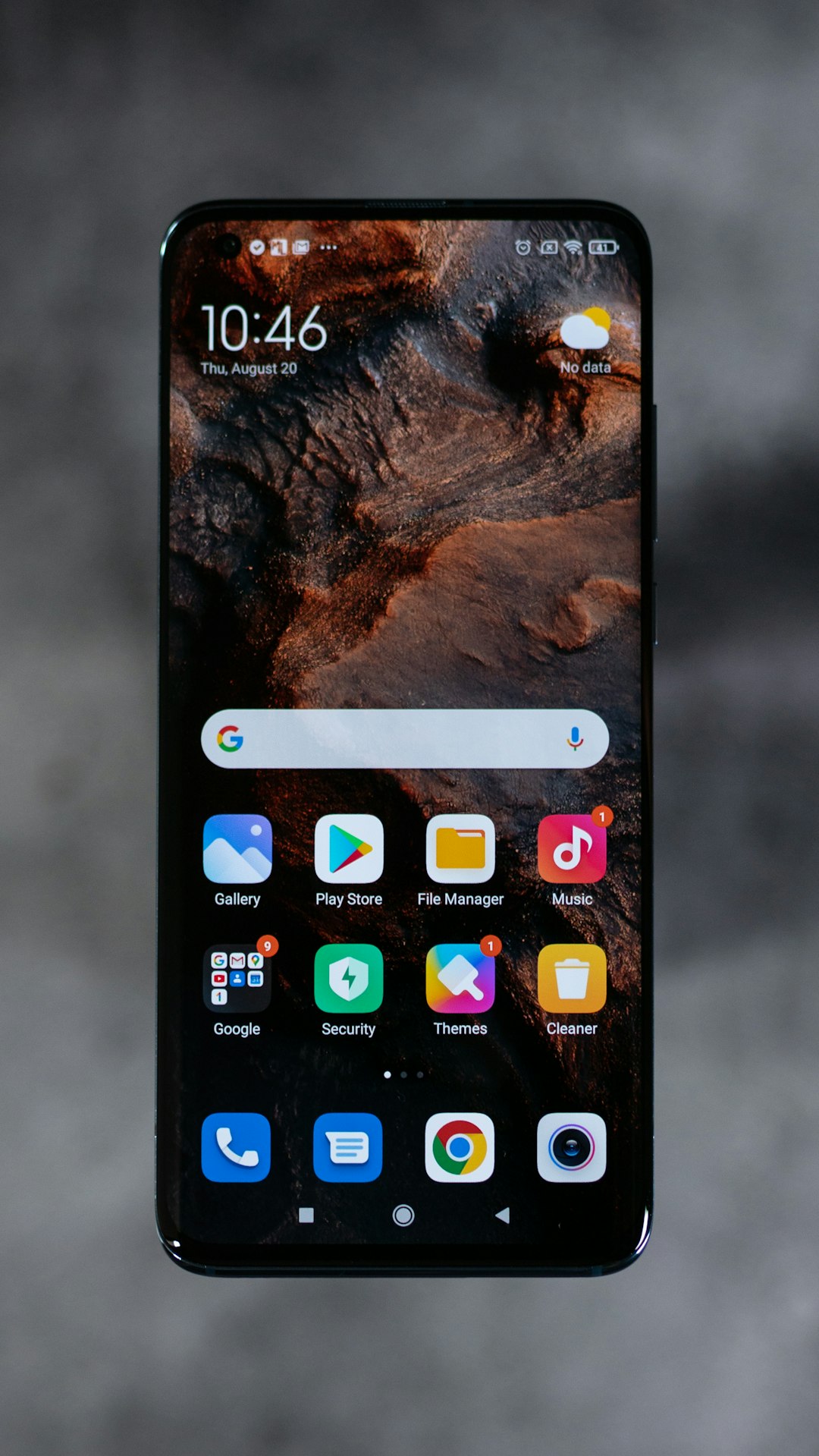
Minnesota residents face a persistent challenge with robocalls, leading many to seek effective solutions. Robocall blocking apps have emerged as a popular response, offering much-needed relief from unwanted calls. This section delves into the top-rated options available, providing an in-depth review of their features and capabilities. Each app is evaluated based on its robustness, ease of use, and compatibility with Minnesota's legal framework regarding robocalls and privacy protection.
One standout app, for instance, utilizes advanced machine learning algorithms to identify and block calls from known telemarketers and scammers. This technology adapts over time, ensuring continued effectiveness against evolving tactics. Additionally, it offers customizable settings, allowing users to manage their call preferences and even whitelist or blacklist specific numbers. A recent study revealed that such apps can reduce the volume of robocalls received by up to 70%, providing a significant improvement in user experience.
However, not all apps are created equal. It's crucial for Minnesota residents to choose options that align with state laws, especially regarding consumer protection and privacy rights. A reputable app should incorporate features that comply with the Telephone Consumer Protection Act (TCPA) and similar state regulations. Consulting a lawyer for robocall laws in Minnesota can offer valuable guidance on selecting an app that not only blocks calls but also respects legal boundaries, ensuring residents' rights are protected in this digital age.
Choosing the Right App: Considerations for Minnesotans
Minnesota residents face a constant barrage of robocalls, making it crucial to choose a robust robocall blocking app for effective protection. While many options are available, not all apps are created equal. Key considerations include call filtering methodology, accuracy rates, privacy protections, and compatibility with your devices. Reputable developers often employ advanced algorithms that analyze caller data against extensive databases of known spam numbers, ensuring minimal false positives.
One notable aspect is the role of legal oversight. A lawyer for robocall laws in Minnesota can provide valuable insights into compliance and protection under state regulations like the Minnesota Telephone Consumer Protection Act (MNTCPAA). Apps that comply with these laws offer stronger safeguards against illegal robocalls while protecting your rights as a consumer. Additionally, look for apps that allow personalized blocking lists, enabling you to add local or specific numbers to blacklist, tailored to your needs and preferences.
Feature-rich apps often incorporate additional benefits such as call screening, voice message transcription, and even AI-driven context-based filtering. These enhancements can significantly enhance user experience and security. By carefully evaluating these factors, Minnesota residents can select the best robocall blocking app that not only mitigates unwanted calls but also aligns with legal protections available under state laws.
Beyond Blocking: Additional Measures & Legal Actions
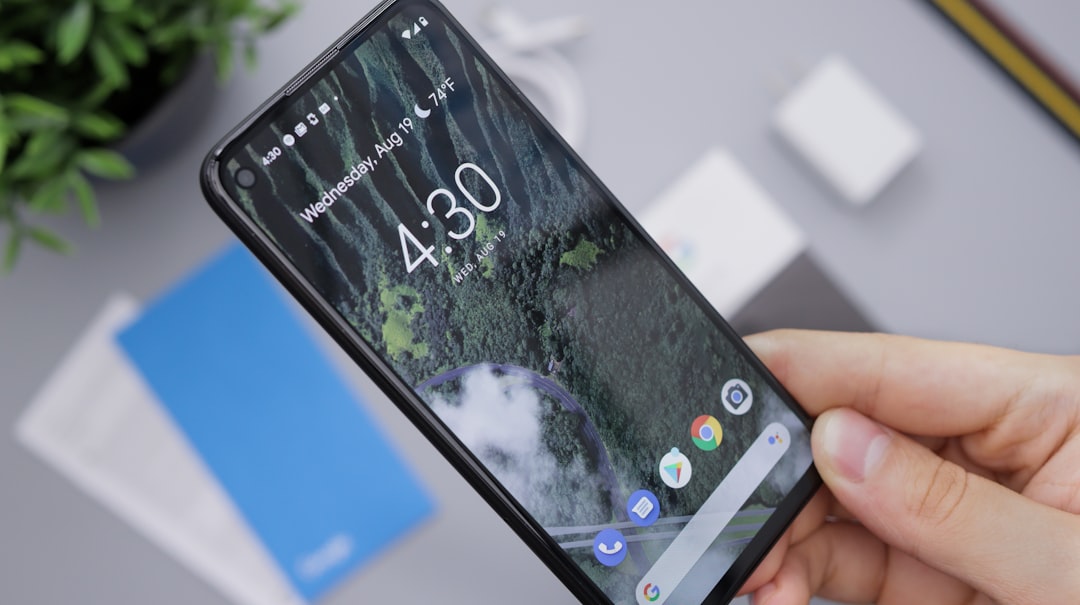
Beyond blocking, Minnesota residents have several powerful tools at their disposal to combat robocalls. Engaging with a lawyer for robocall laws in Minnesota can offer tailored guidance on navigating complex legal frameworks designed to protect consumers. These experts can help interpret state and federal regulations, such as the Telephone Consumer Protection Act (TCPA), which restricts automated telemarketing calls. For instance, residents can file complaints with the Federal Communications Commission (FCC) or seek damages if they've received unwanted calls.
An innovative approach involves enlisting the aid of consumer protection agencies. These organizations actively monitor and investigate robocall trends, providing valuable insights into emerging threats. They often collaborate with law enforcement to shut down illegal call centers. For example, recent partnerships between state attorneys general and telecom companies have led to significant reductions in robocalls across the country. Additionally, consumers can participate in industry-led initiatives that leverage advanced technologies like caller ID databases and artificial intelligence to filter out malicious calls.
To further fortify defenses, residents should consider implementing robust security measures on their devices. This includes regularly updating software, installing reputable antivirus apps, and enabling automatic over-the-air updates for operating systems. Using privacy settings to restrict unknown numbers from contacting you is another effective strategy. By combining these technical safeguards with legal expertise, Minnesota residents can aggressively combat robocalls, reclaiming control of their communication channels.