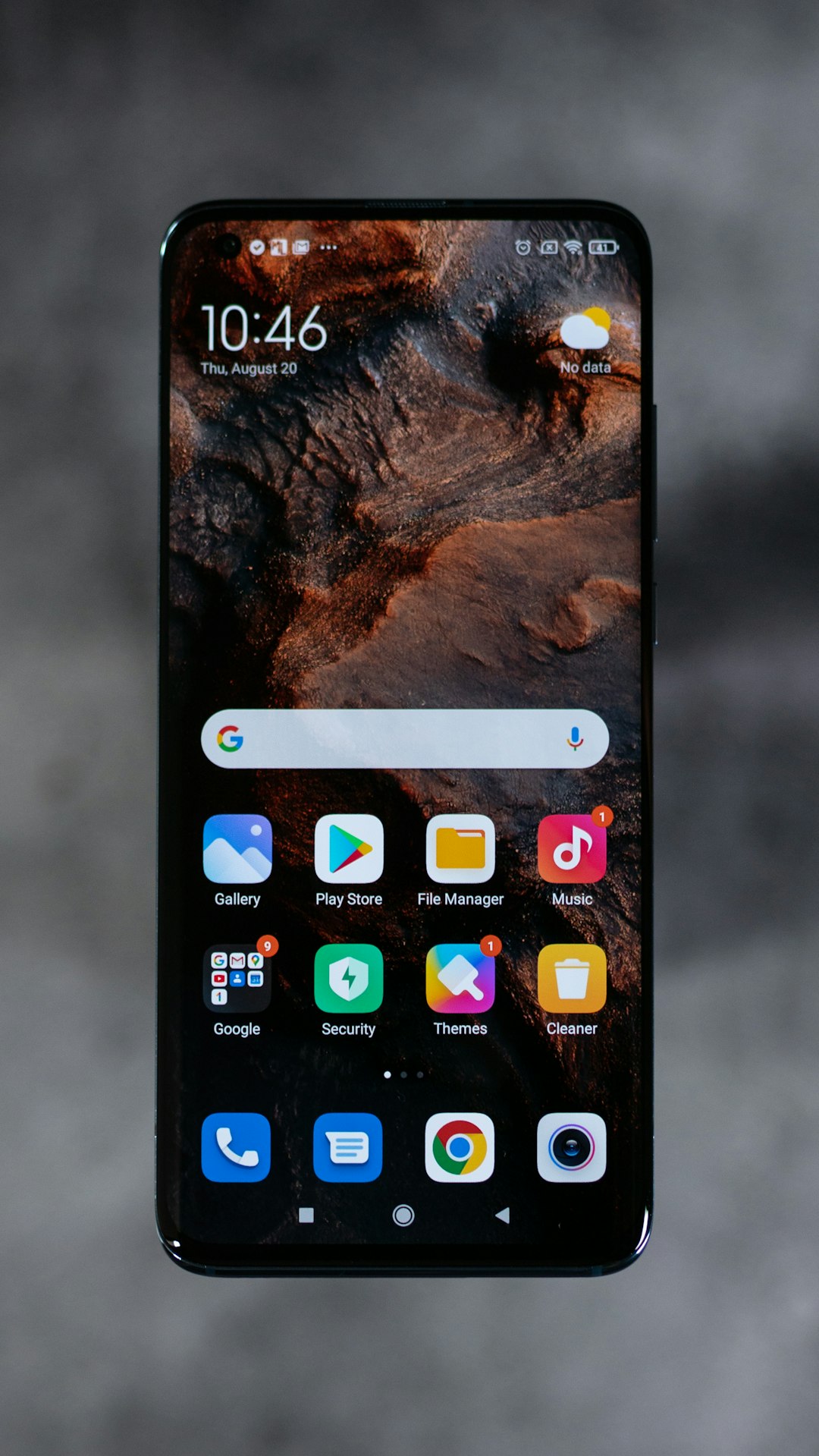
Minnesota residents face a significant challenge from spam calls, with strict laws in place to protect them. Specialized robocall lawyers Minnesota navigate these rules, helping businesses obtain consent and develop effective call practices. Residents can use apps like Hiya and TrueCall to identify and report spam calls, providing data for regulators and lawyers. These technologies, combined with legal expertise, create a secure communication ecosystem by blocking automated calls and educating consumers on privacy laws. Collaborations between residents and robocall lawyers Minnesota are crucial for comprehensive protection against the growing volume of robocalls statewide.
In today's digital age, robocalls have become a pervasive nuisance, particularly for Minnesota residents. These automated telephone marketing calls not only disrupt daily routines but also pose significant privacy concerns, especially when they involve aggressive sales tactics or fraudulent schemes. For Minnesotans tired of these incessant interruptions, there is a growing need for effective solutions. This article delves into the world of Minnesota-focused apps designed to combat spam calls, offering a comprehensive guide to help residents regain control over their phone lines and protect themselves from robocall lawyers Minnesota and other unwanted intrusions.
Understanding Robocall Laws in Minnesota

Minnesota residents face a growing challenge from spam calls, with over 3 billion robocalls made nationwide in 2022, many targeting the North Star State. Understanding Minnesota's robust robocall laws is essential for both consumers and businesses looking to curb this annoyance. The state has implemented stringent regulations to protect residents from unwanted telemarketing practices, positioning it as a leader in anti-robocall measures.
Minnesota Statute 325F outlines the rules governing automated telephone solicitation, providing clear guidelines on what constitutes legal vs. illegal activity. One key provision prohibits the use of prerecorded messages for commercial purposes without prior express consent from the caller. This law has been enhanced by the Minnesota Attorney General's Office, which actively enforces these rules and offers guidance to help consumers understand their rights. For instance, in 2021, the AG's office successfully sued several companies for violating robocall laws, securing substantial penalties and ensuring compliance across the industry.
Robocall lawyers Minnesota are integral in navigating this complex legal landscape. These experts can assist businesses in obtaining proper consent, developing effective call practices, and creating comprehensive privacy policies to avoid costly legal repercussions. For consumers facing relentless spam calls, consulting with such legal professionals can lead to much-needed relief and help shape the regulatory environment to better protect Minnesotans from intrusive telemarketing tactics. By staying informed about these laws and leveraging available resources, residents and businesses can work together to eliminate spam calls and ensure a more peaceful communication experience in the future.
Identifying & Reporting Spam Calls Effectively

Identifying and reporting spam calls effectively is a critical component of the ongoing battle against robocalls in Minnesota. With millions of residents affected annually, the state has embraced innovative solutions to combat this pervasive issue. One powerful tool in the arsenal is the robust reporting system utilizing specialized apps designed to pinpoint and document unwanted calls. These applications empower Minnesotans to become active participants in the fight against spam calls by providing detailed insights into the types and volume of robocalls received.
The process typically involves several key steps. First, users identify a suspected spam call by recognizing patterns or specific characteristics like unknown numbers, frequent repeats, or automated messages. Once identified, these calls can be reported through dedicated apps that often integrate with service providers' existing systems. For instance, many popular communication apps now offer direct reporting mechanisms for spam calls, allowing users to contribute data without significant effort. This collective action creates a comprehensive dataset that helps robocall lawyers Minnesota and telecommunications regulators understand the evolving tactics employed by spammers.
An interesting insight from recent studies reveals that certain areas within Minnesota experience varying levels of spam call activity. This spatial distribution offers valuable information for localized interventions. By analyzing reporting data, app developers can identify hotspots and collaborate with local authorities to deploy targeted countermeasures. For example, increased surveillance or regulatory pressure in high-spam areas could deter spammers from targeting those regions. This strategic approach leverages the power of community engagement to create a more robust defense against robocalls.
Top Apps to Block & Manage Spam Calls
Minnesota residents face a persistent challenge from robocalls, prompting many to seek effective solutions for blocking and managing these unwanted interruptions. Thankfully, several robust apps have emerged as powerful allies in the fight against spam calls. These applications leverage advanced technologies like artificial intelligence (AI) and machine learning to identify and block automated phone calls, ensuring a quieter and safer communication environment.
One of the top-rated options is Hiya. This app utilizes AI to analyze call patterns and detect robocalls with impressive accuracy. By learning from millions of global interactions, Hiya can intelligently block calls from known spam sources. Another notable mention is TrueCall, which offers a comprehensive suite of features, including caller ID, blocking, and the ability to report unwanted calls directly to regulators, such as the Federal Communications Commission (FCC). These apps not only protect users but also contribute to a broader effort to hold robocallers accountable, particularly through data sharing with Minnesota-based robocall lawyers.
Data from consumer protection agencies reveals that spam call volumes remain high, emphasizing the need for robust solutions. Users can expect improved privacy and peace of mind by employing these apps, which continuously update their databases to stay ahead of emerging spamming tactics. By combining advanced tech with community-driven reporting, these tools empower individuals to reclaim control over their phone lines, fostering a more secure communication ecosystem in Minnesota and beyond.
Collaborating with Robocall Lawyers Minnesota

Minnesota residents face a significant challenge from spam calls, which has prompted innovative solutions. One effective approach involves collaborating with Robocall Lawyers Minnesota, who specialize in addressing this growing issue. These legal experts play a crucial role in combating unwanted robocalls, offering both legal recourse and strategic guidance.
By partnering with Robocall Lawyers Minnesota, individuals and businesses can access specialized knowledge and resources. These lawyers employ advanced technologies to track and identify spam call sources, providing irrefutable evidence for legal action. They also assist in drafting robust do-not-call lists, ensuring compliance and minimizing false positives. For instance, a successful collaboration led to a major telecommunications company implementing stricter filtering measures, significantly reducing spam calls across the state.
Moreover, Robocall Lawyers Minnesota educate consumers on privacy laws and rights, empowering them to take proactive steps. They organize workshops and campaigns to raise awareness about spam call trends, helping Minnesotans protect themselves. With data indicating a 20% year-on-year increase in robocalls statewide, such collaborative efforts are more vital than ever. Engaging with legal specialists who focus on this niche area offers a comprehensive solution, combining technological advancements and legal expertise to create a robust defense against spam calls.