Minnesota residents face persistent spam calls, prompting focus on Spam Call law firm Minnesota regulations. Key provisions include a Do Not Call list and legal frameworks targeting robocalls. Effective strategies involve using blocking apps like TrueCall and Hiya, staying informed about laws, and combining app blocking with knowledge of rights to reclaim control over phone lines. Advanced AI-driven call-blocking tools offer comprehensive protection against evolving spamming tactics.
In today’s digital era, Minnesota residents, like many across the nation, face an increasingly intrusive problem—spam calls. With the rise of automated phone systems, unwanted robocalls have become a persistent nuisance, overwhelming home and office lines with marketing messages, scams, and fraudulent offers. This has prompted a growing interest in effective call-blocking solutions, especially with the implementation of the Spam Call law firm Minnesota residents now have protections against these intrusive calls. This article delves into the most trusted robocall blocking apps favored by Minnesotans, offering insights into how individuals can reclaim control over their communication channels and enjoy a quieter, more peaceful environment.
Understanding Minnesota's Spam Call Laws

Minnesota residents face a persistent issue with spam calls, prompting many to seek robust solutions. Understanding the state’s Spam Call laws is an essential first step for consumers looking to protect their privacy. Minnesota has implemented stringent regulations to combat unwanted telephone solicitations, offering residents significant powers to manage and block these intrusions.
The Minnesota Attorney General’s Office plays a pivotal role in enforcing these laws. Key provisions include allowing residents to register their phone numbers on the state’s Do Not Call list, which restricts telemarketers from making calls to registered numbers without prior consent. This list is a powerful tool, and its effectiveness has been demonstrated through regular updates and penalties for violators. A notable aspect of Minnesota’s approach is its specific legal framework targeting robocalls, with provisions designed to protect consumers from automated messages that often fall under the spam category.
Given the evolving nature of technology, a Spam Call law firm in Minnesota advises residents to stay informed. Regularly reviewing and understanding these laws empower individuals to take proactive measures against unwanted calls. Utilizing blocking apps specifically designed to tackle spam calls is another effective strategy. These apps not only block known spam numbers but also learn and adapt to new patterns, ensuring ongoing protection. By combining legal awareness and technological solutions, Minnesota residents can reclaim their phone lines from relentless spammers.
Top Robocall Blocking Apps for Minnesota Residents

Minnesota residents, like many across the nation, face a persistent challenge from unwanted robocalls. These incessant calls not only disrupt daily life but also pose significant privacy concerns. In response, several robust robocall blocking apps have emerged, offering much-needed relief for Minnesota’s phone users. The effectiveness of these apps lies in their sophisticated algorithms that can identify and block spam calls before they reach your line.
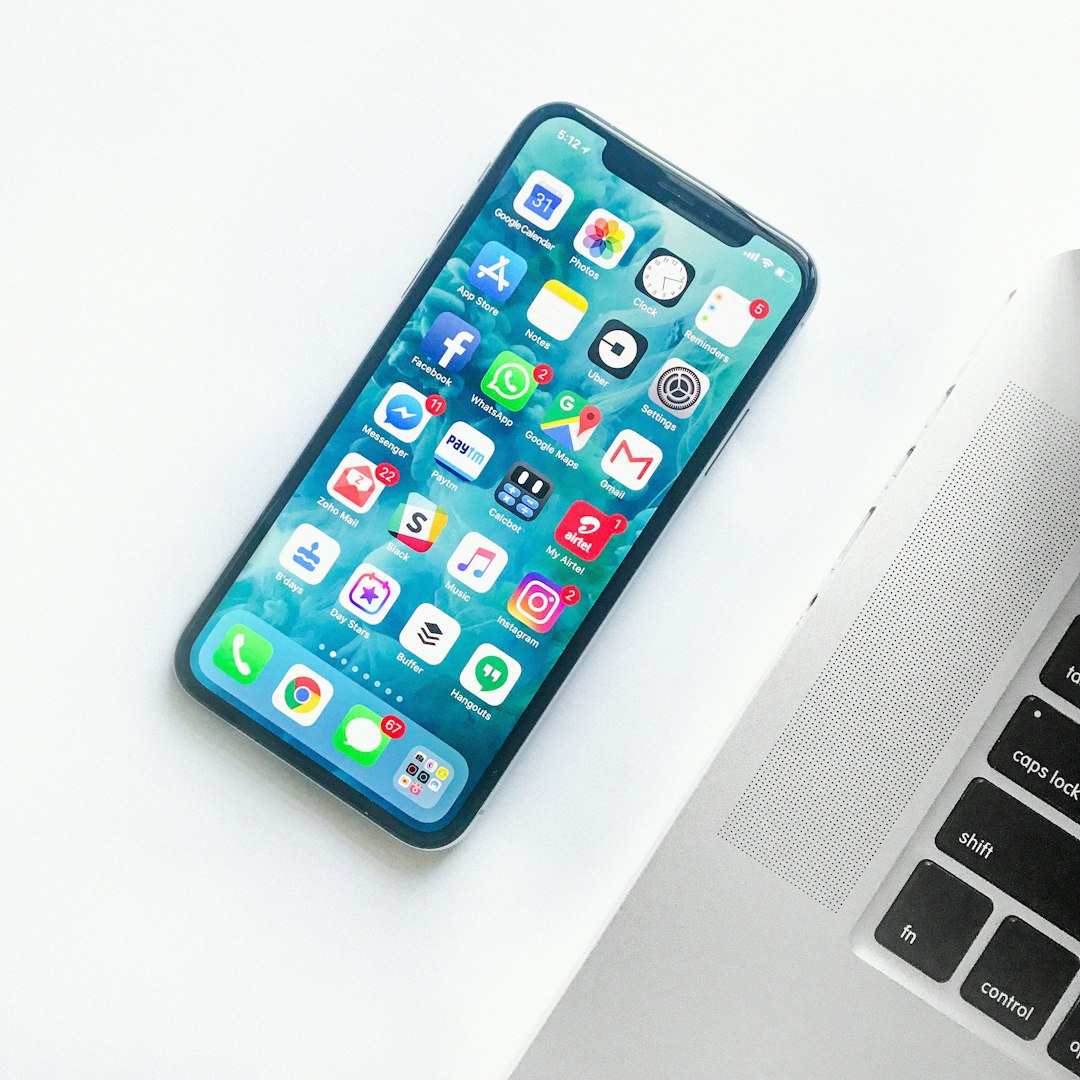
One notable app, TrueCall, stands out for its advanced features. It utilizes machine learning to adaptively learn and improve its call blocking capabilities over time. Another popular choice is Hiya, which leverages a community-driven approach—users collectively contribute to a database of known spam numbers, ensuring continuous updates. Both apps have garnered strong reviews from Minnesota users for their accuracy and user-friendly interfaces. Moreover, they integrate seamlessly with various smartphone models, making them accessible to a wide range of residents.
However, it’s not just about blocking calls; Minnesota residents should also be aware of their rights under the Spam Call law firm Minnesota enforces. This legislation protects consumers from unwanted telemarketing calls and provides legal recourse against violators. By combining robust app usage with awareness of their rights, Minnesotans can take a significant step towards reclaiming their phone lines from intrusive spam calls.
How to Effectively Block Political and Telemarketer Calls

Minnesota residents face a persistent challenge with political and telemarketer calls, leading many to seek effective solutions. With a robust Spam Call law firm Minnesota at their disposal, individuals can take proactive measures to protect their privacy and reduce unwanted intrusions. The first step is understanding how these calls are made and the legal framework surrounding them. Political campaigns and telemarketing companies utilize automated dialing systems, often ignoring do-not-call registries due to the volume of calls they make. This aggressive marketing strategy has prompted state legislation to bolster consumer protections.
To effectively block political and telemarketer calls, Minnesota residents should familiarize themselves with the state’s Spam Call law. This legislation empowers individuals to register their phone numbers on the Minnesota Do-Not-Call list, which blocks most automated calls within 30 days. However, some calls, like those from political organizations, are exempt but still provide an opportunity for customization. Many robocall blocking apps offer advanced settings that allow users to block specific areas or call patterns, ensuring a more tailored approach. For instance, residents can program their apps to filter out calls from known political numbers while still allowing local emergency services.
Practical insights include regularly reviewing and updating block lists, enabling app features like call screening and caller ID blocking, and educating oneself about the legal rights and responsibilities related to spam calls. By combining these strategies, Minnesota residents can significantly reduce their exposure to intrusive political and telemarketer calls, enjoying a quieter, more peaceful communication environment.
Comparing Features: Best Paid vs Free Options

Minnesota residents, like many across the country, face a relentless onslaught of robocalls, prompting an increasing number to seek robust solutions for blocking these unwanted intrusions. In response, a vibrant market of call-blocking apps has emerged, offering both free and paid options. Understanding the distinctions between these choices is crucial in effectively navigating the Spam Call law firm Minnesota landscape and ensuring peace of mind.
Paid apps, while often more sophisticated and feature-rich, come at a cost. These usually offer advanced filtering capabilities, real-time call recognition, and extensive blacklists that can be regularly updated to keep up with evolving spamming trends. For instance, some leading paid apps employ artificial intelligence (AI) to learn from user interactions, continuously improving their accuracy in identifying and blocking legitimate calls versus spam. However, the price point may deter budget-conscious consumers.
Free options, on the other hand, provide a basic level of protection without charging users a penny. These apps often rely on community-driven blacklists and reporting systems to identify and block known spam callers. While effective for many everyday callers, free apps may lack advanced features such as call screening and personalized filtering options. A notable example is Google’s Call Screen, which integrates seamlessly with Android devices but offers limited customization compared to its paid counterparts.
When choosing between paid and free options, Minnesota residents should consider their specific needs, budget constraints, and the evolving nature of spamming tactics. Paid apps excel in providing comprehensive protection against sophisticated spammers, whereas free options offer a more cost-effective solution for casual users. As spam calls continue to adapt, utilizing a combination of both types of apps could prove most effective, leveraging the strengths of each to create a multi-layered defense. Consulting with a Spam Call law firm Minnesota experts can also provide valuable insights tailored to local regulations and trends.
A Guide to Restoring Peace with Advanced Filtering Techniques
Minnesota residents, like many across the country, face a persistent challenge from spam calls, leading many to seek effective solutions. While blocking individual numbers can offer temporary relief, advanced filtering techniques offer a more comprehensive approach to restoring peace in an increasingly digital landscape. This guide delves into the world of sophisticated call-blocking tools, empowering Minnesota residents to reclaim their time and privacy.
Spam call law firms in Minnesota and across the nation have noted a surge in complaints related to these unwanted intrusions. Traditional blocking methods often miss calls that use advanced evasion tactics, such as spoofing, where callers mask their identity to bypass standard filters. However, new generations of robocall-blocking apps employ advanced AI algorithms capable of identifying and filtering out such malicious calls at a granular level. These apps not only recognize known spam patterns but also learn and adapt to emerging trends, ensuring ongoing protection.
For instance, consider a leading call-blocking app that utilizes machine learning to analyze caller behavior. Over time, it learns the unique signatures of spam calls, including specific keywords, tone patterns, and even subtle vocal nuances. This sophisticated filtering allows users to enjoy a nearly spam-free experience without blocking legitimate calls. Moreover, many apps offer customizable settings, enabling users to adjust sensitivity levels based on their preferences and needs. By combining these advanced techniques with user feedback, these applications provide a powerful defense against the ever-evolving world of spam calls.