Despite Minnesota's strict robocall laws, unwanted automated calls persist. Residents can protect themselves by registering on the Do Not Call Registry and using blocking tools that filter numbers based on caller ID and patterns. Specialized lawyers for robocall laws in Minnesota guide businesses on compliance, consent, and privacy policies to avoid legal issues. These lawyers also assist individuals in navigating TCPA restrictions, filing complaints, and seeking damages. Combining technological solutions with legal counsel enhances protection against deceptive robocalls.
In today's digital age, Minnesota residents, like many others across the country, face an increasing nuisance from unwanted robocalls. These automated phone calls, often promoting products or services, can be relentless and disruptive. The problem has become so pervasive that it's impacting individuals' quality of life, prompting a need for effective solutions.
Robocall blocking tools emerge as a powerful response, offering a potential respite from this modern-day frustration. This article delves into the world of robocall protection, specifically exploring cutting-edge tools designed to safeguard Minnesota phones. By examining these innovative solutions, we empower residents with knowledge, enabling them to reclaim control over their communication and peace of mind—a valuable asset for any resident, or even a lawyer for robocall laws in Minnesota, seeking to navigate this modern challenge.
Understanding Robocalls in Minnesota: A Legal Perspective

Robocalls remain a pervasive issue across Minnesota, with new strategies evolving daily to bypass existing blocking measures. Understanding the legal landscape surrounding robocalls is crucial for residents seeking recourse. Minnesota laws, including those enforced by the Minnesota Public Utilities Commission (MPUC), offer protections against unwanted automated calls, yet navigating these regulations can be complex. For instance, while the Telephone Consumer Protection Act (TCPA) restricts certain types of robocalls without explicit consent, exemptions and loopholes exist that allow for continued annoyance.
A lawyer specializing in robocall laws Minnesota can provide invaluable guidance tailored to state-specific nuances. They can help individuals determine if a particular call constitutes illegal robo-calling based on the type of number used, the content of the message, and the method of delivery. Additionally, these legal experts can assist with identifying legitimate calls mistakenly flagged as spam. For businesses, a lawyer for robocall laws Minnesota can ensure compliance with regulations while crafting effective marketing strategies that minimize customer annoyance.
Practical steps include registering on the Do Not Call Registry, though this primarily affects live callers and does not halt robocalls entirely. Utilizing blocking tools designed specifically for Minnesota phones is another approach, leveraging technology alongside legal safeguards to mitigate the impact of unwanted calls. By combining these measures, residents can reclaim control over their communication channels while staying informed about evolving legal protections and strategies against robocalling threats.
The Rise of Robocall Blocking Tools: How They Work

The proliferation of unwanted robocalls has led to a growing demand for effective blocking tools among Minnesota residents. These automated phone calls, often used for telemarketing or scams, have become a significant nuisance, prompting many to seek solutions. Robocall blocking apps and software have emerged as powerful tools in the fight against these intrusive calls, offering a measure of control back to consumers.
Robocall blocking tools operate by utilizing advanced algorithms and databases that identify and filter incoming calls. These systems analyze various factors, such as caller ID, call patterns, and known robocall characteristics, to determine if a call is likely automated or a legitimate contact. For instance, some apps block calls from unknown numbers or those with high rates of reported robocalls. They may also prioritize local or emergency calls, ensuring important communications are never blocked. The blocking software can be set up on both personal devices and landlines, providing comprehensive protection.
In Minnesota, where laws regarding robocalls and consumer privacy are stringent, these tools have gained even more traction. A lawyer for robocall issues in Minnesota might recommend such measures as part of a comprehensive strategy to combat unwanted calls. By employing these blocking mechanisms, residents can significantly reduce the volume of robocalls they receive, thereby enhancing their overall communication experience and security. With ongoing advancements in technology, these tools are becoming increasingly sophisticated, ensuring that consumers have an effective defense against pervasive robocall campaigns.
Minnesota Laws and Regulations Targeting Unwanted Calls

In Minnesota, the fight against unwanted robocalls has taken center stage due to stringent laws and regulations designed to protect residents from intrusive telemarketing practices. The state's robust consumer protection framework includes specific provisions targeting automated phone calls, reflecting a growing national concern over the prevalence of robocalls. A lawyer for robocall laws in Minnesota highlights that the Minnesota Attorney General's Office actively enforces these rules, leveraging legal action against violators to ensure compliance.
One key regulation is the requirement for businesses and telemarketers to obtain explicit consent from callers before initiating automated phone calls. This means that companies must have a clear and verifiable opt-in mechanism in place, such as checking off a box on a sign-up form or verbally confirming participation during a sales interaction. Failure to adhere to this rule can result in substantial fines, with penalties reaching up to $50,000 per violation. According to recent data from the Federal Communications Commission (FCC), Minnesota consumers file some of the highest complaints per capita regarding robocalls nationwide, underscoring the state's commitment to curbing these nuisance calls.
Practical insights for businesses operating in Minnesota or seeking to enter the market include a thorough review of their telemarketing practices and ensuring compliance with local regulations. Engaging the services of a lawyer specializing in robocall laws can be invaluable. Legal experts can guide companies on crafting effective consent mechanisms, managing call records, and implementing robust privacy policies. By proactively addressing these issues, businesses can avoid costly legal battles and maintain positive relationships with Minnesota consumers, fostering trust and loyalty in today's highly regulated environment.
Selecting the Best Robocall Blocking App for Your Phone
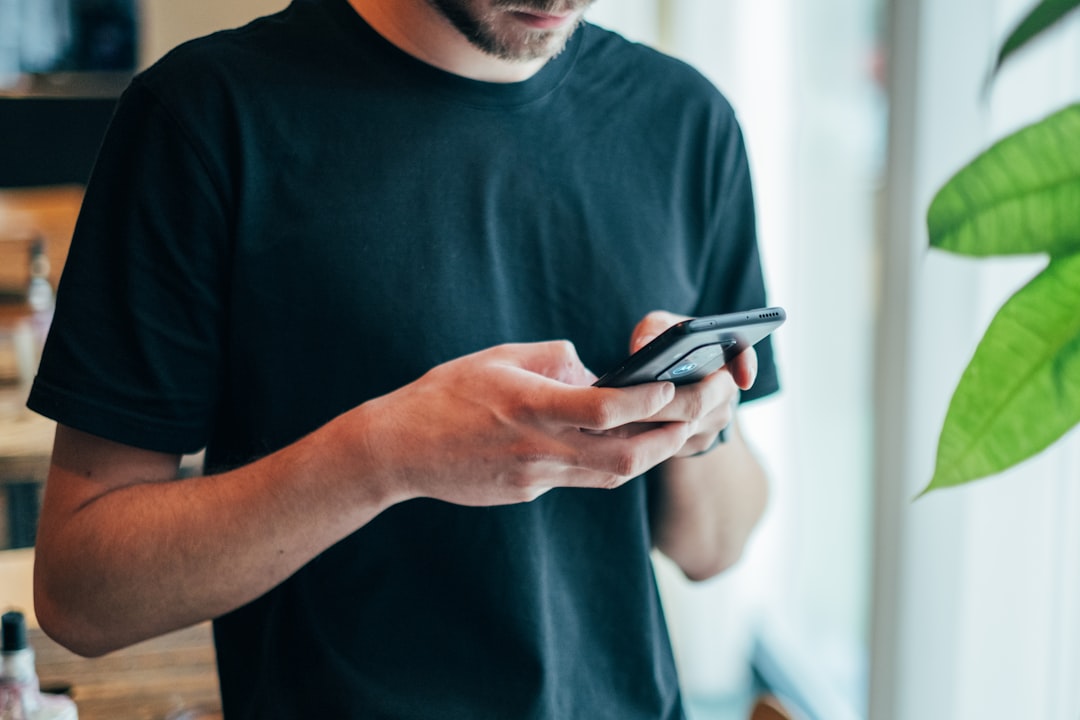
Selecting a robust robocall blocking app for your Minnesota phone involves careful consideration to ensure effective protection against unwanted calls. With numerous options available, understanding key features and compatibility is essential. A top-tier app should offer advanced call filtering, allowing you to block specific numbers or types of calls based on criteria like area code, caller ID, or call patterns. For instance, some apps enable users to create custom blocks for frequent robocallers or political campaigns during election seasons, as per Minnesota law.
Data privacy and security are critical aspects to evaluate. Reputable apps encrypt user data and adhere to strict privacy policies, ensuring your call history and personal information remain secure. Transparency about how the app collects and utilizes data is a strong indicator of its commitment to user privacy. Additionally, consider app compatibility with your device's operating system. While most modern smartphones support robocall blocking apps, checking for regular updates ensures optimal performance across various devices and operating versions.
Seeking guidance from a lawyer specializing in robocall laws in Minnesota can offer valuable insights tailored to local regulations. They can advise on legal protections available against unwanted calls and help interpret the legality of certain blocking techniques. This expert perspective is crucial when navigating privacy rights, as state laws vary and evolving call-blocking technology requires ongoing legal clarity. By combining practical app evaluation with legal expertise, you can make an informed decision for your Minnesota phone.
Using a Lawyer for Robocall Issues: Rights and Resources
In Minnesota, as across the nation, the ubiquity of robocalls has sparked widespread frustration among residents. While many tools exist to block automated calls, legal recourse remains a critical component in addressing this nuisance. Engaging a lawyer for robocall issues is increasingly common, as individuals seek to protect their privacy and curb unwanted intrusions. Minnesota law provides specific protections against deceptive practices, including excessive or persistent robocalls, empowering residents with legal rights and resources.
A lawyer specializing in robocall laws can navigate the complex regulatory landscape, ensuring compliance for businesses while also representing victims of illegal robocalling tactics. For instance, the Telephone Consumer Protection Act (TCPA) prohibits calls using automated dialing systems to individuals on a Do Not Call list. A Minnesota-based lawyer familiar with these federal and state regulations can advise clients on their rights, file complaints against perpetrators, and even seek damages if applicable. They can also guide clients through the process of filing official complaints with relevant authorities, such as the Federal Communications Commission (FCC) or the Minnesota Attorney General's Office.
Practical advice includes maintaining detailed records of robocalls received, including timestamps, call content, and any identifying information. These records can serve as crucial evidence if legal action becomes necessary. Additionally, utilizing a reputable robocall blocking tool in conjunction with legal measures can significantly enhance privacy and reduce the number of unwanted calls. By combining technological solutions with expert legal counsel, Minnesota residents can more effectively protect themselves from intrusive robocalls.