Minnesota residents face a surge in robocalls, with scams targeting personal info. The state's Do Not Call law offers some protection but excludes political campaigns and non-profits. Robocall prevention apps like Call Shield and NoMo Robo use AI/machine learning to block unwanted calls. Top apps include NoCall, CallGuard, TrueCall, and Hiya, offering community reporting and real-time scam detection. Effective protection requires app customization, regular updates, and privacy setting reviews. Do Not Call law firms Minnesota can enhance these measures, reclaiming control over communication channels and mitigating privacy risks.
In today’s digital era, robocalls have become a ubiquitous yet unwanted nuisance for folks across Minnesota, with many falling victim to relentless sales pitches from telemarketers. The sheer volume of these calls, often disguised as spam, has prompted a growing need for robust solutions. Robocall prevention apps tailored specifically for Minnesota users offer a promising avenue to reclaim control over their communication channels. These innovative tools leverage advanced technology to identify and block unwanted calls, ensuring residents can enjoy peace of mind without compromising their privacy. By delving into the intricacies of these apps, we aim to empower Minnesota users with knowledge and practical insights, enabling them to navigate this modern-day labyrinthine problem effectively.
Understanding Robocalls and Minnesota's Legal Protections

Robocalls have become a ubiquitous nuisance across Minnesota, with many residents receiving unwanted calls from telemarketers, scammers, and even Do Not Call law firms. Understanding these calls and the legal protections available is crucial for any Minnesotan seeking to reclaim control of their phone lines. According to recent studies, Minnesota residents experience an average of 3-4 robocalls per week, significantly impacting quality of life and contributing to widespread frustration.
Minnesota has specific laws in place to combat these intrusive calls. The state’s Do Not Call law, enforced by the Minnesota Attorney General’s Office, allows residents to register their phone numbers on a statewide “Do Not Call” list. This list prohibits most commercial telemarketers from calling registered numbers. Importantly, this law doesn’t apply to all robocalls; for instance, messages from political campaigns or non-profit organizations are exempt. Nonetheless, it provides a significant layer of protection for Minnesotans who wish to limit these calls.
In addition to the Do Not Call list, Minnesota residents can take several practical steps to reduce robocalls. Utilizing reputable robocall prevention apps tailored for Minnesota users is an effective strategy. These apps employ advanced technology, such as machine learning algorithms, to identify and block unwanted calls. For instance, popular options like “Call Shield” and “NoMo Robo” have proven successful in filtering out telemarketers and scam artists. By combining these technological solutions with the state’s legal protections, Minnesotans can create a robust defense against intrusive robocalls.
The Rise of Robocall Scams Targeting Minnesota Residents
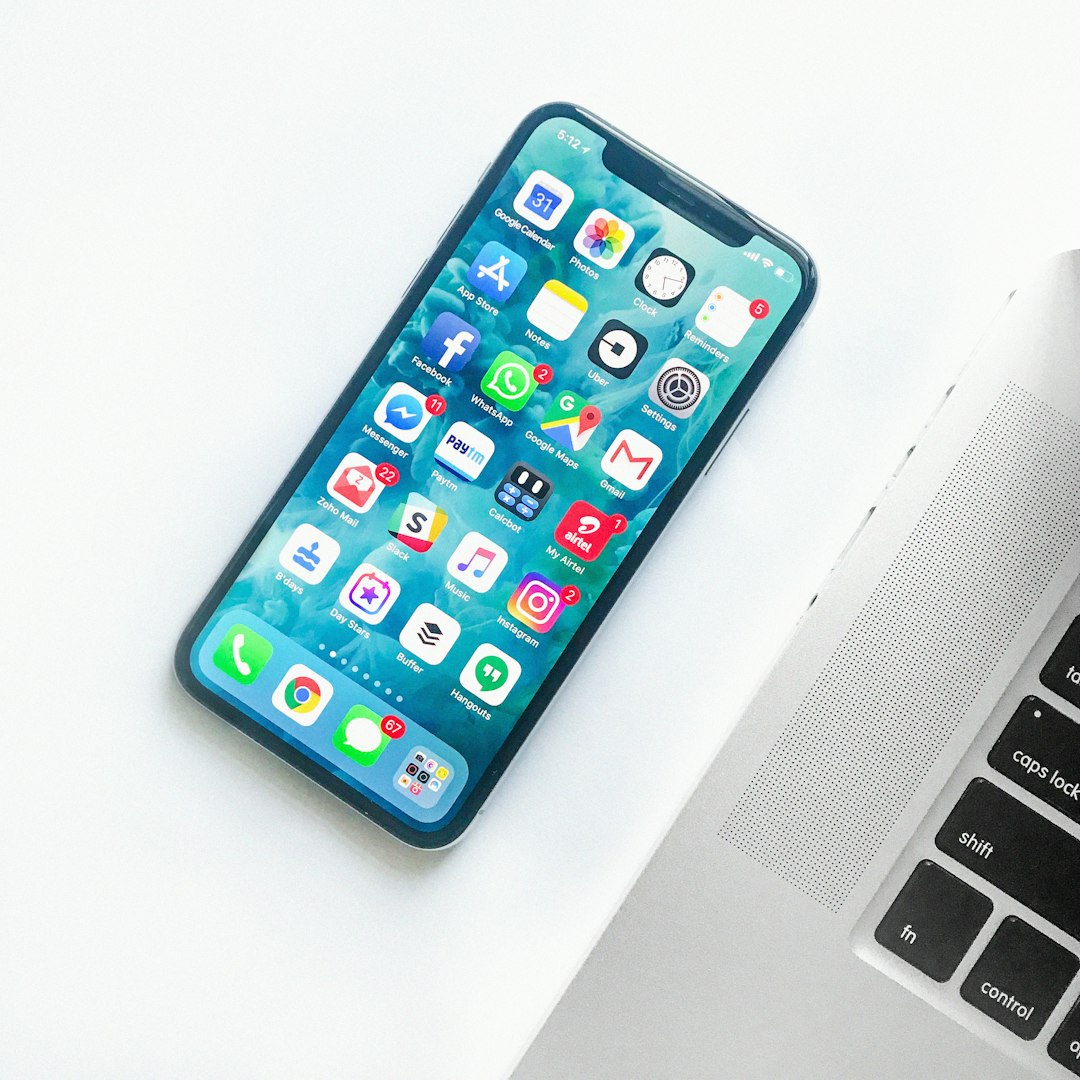
Minnesota residents have witnessed a significant surge in robocall scams over the past few years, posing a growing concern for consumer protection. These automated phone calls, often originating from call centers outside the state, target unsuspecting individuals with deceptive messages aimed at manipulating them into sharing personal information or making financial decisions. The tactics employed by these scammers are becoming increasingly sophisticated, making it imperative for Minnesotans to be vigilant and informed.
The prevalence of robocalls in Minnesota is not a coincidence; the state’s reputation as a hub for telecommunications and its large population make it an attractive target for these fraudulent activities. Scammers often impersonate government agencies, financial institutions, or even local businesses to gain trust and bypass caller ID restrictions. For instance, a recent study revealed that Minnesota topped the list of states with the highest number of complaint calls to the Federal Communications Commission (FCC) related to robocalls in 2022, underscoring the urgency of addressing this issue.
Do Not Call law firms in Minnesota have been instrumental in combating these scams, offering a layer of protection for residents. However, as technology advances, so do the methods of these fraudsters. To stay ahead, consumers should download reputable robocall prevention apps that use advanced algorithms to identify and block unwanted calls. These applications learn from user feedback and community reporting, continuously updating their databases to include new scammer numbers. By adopting these tools and staying informed about common scams, Minnesota residents can significantly reduce the risk of falling victim to robocall schemes.
Evaluating Top Robocall Prevention Apps for Minnesota Users
In Minnesota, like elsewhere, robocalls have become a ubiquitous nuisance, with many residents receiving unwanted calls from telemarketers, scammers, and even law firms. To combat this issue, robust solutions like robocall prevention apps have emerged, offering much-needed relief. Evaluating these apps is crucial for Minnesota users seeking to reclaim their peace of mind and protect themselves from malicious calls.
Among the top contenders, apps like NoCall and CallGuard stand out for their advanced call-screening capabilities. NoCall, for instance, leverages a community-driven approach where users can report unwanted calls, enhancing its accuracy over time. It blocks not only robocalls but also calls from specific numbers you choose to avoid. CallGuard, on the other hand, integrates AI and machine learning algorithms to identify and block spam calls accurately. Both apps provide do-not-call registry functionality, ensuring compliance with Minnesota’s laws that protect residents from excessive telemarketing.
However, choosing the right app requires considering factors like ease of use, privacy policies, and compatibility with your device. Data from consumer reports shows that while these apps significantly reduce robocalls, their effectiveness can vary based on network and call patterns. Therefore, it’s essential to read user reviews and consider demo periods offered by developers. Expert recommendations also underscore the importance of regularly updating app settings to adapt to evolving scams. By selecting a reliable robocall prevention app and customizing its settings, Minnesota users can Do Not Call law firms effectively and enjoy greater protection against unwanted intrusions.
Minnesota's Do Not Call Laws: Protecting Your Rights

Minnesota residents now have access to a powerful tool in their fight against unwanted robocalls—robocall prevention apps designed with local laws in mind. The state’s strict Do Not Call laws offer significant protections for consumers, but understanding your rights and utilizing available resources is essential to staying ahead of these persistent intruders.
The Minnesota Do Not Call Law, enforced by the Minnesota Attorney General’s Office, empowers residents to register their phone numbers on a statewide Do Not Call registry, restricting telemarketers from calling without prior consent. This law is particularly robust, allowing individuals to block not just cold calls but also solicited calls from specific businesses or organizations. However, with the rise of automated technology, traditional robocall blocking methods have become less effective. Here’s where dedicated robocall prevention apps step in as game-changers. These innovative tools leverage advanced algorithms and machine learning to identify and block not only pre-recorded messages but also live operators attempting to circumvent Do Not Call lists.
Do Not Call law firms Minnesota naturally benefit from these apps, providing a layer of protection beyond what the law requires. By integrating with existing legal frameworks, such apps offer a comprehensive solution for residents seeking to reclaim control over their communication channels. For instance, consider a scenario where a Minnesota consumer signs up for an app that utilizes advanced call-blocking technology. Upon registering their number on the Do Not Call registry and installing the app, they begin experiencing a significant reduction in robocalls within days. This not only saves time but also mitigates potential privacy risks associated with answering unknown calls. Moreover, many of these apps provide detailed call analytics, allowing users to track their robocall activity and identify patterns, empowering them to take further action if needed.
Implementing Effective Strategies to Block Robocalls Locally

Minnesota residents face a persistent challenge with robocalls, which have become an increasingly irritating and pervasive issue across the state. According to recent data from the Federal Communications Commission (FCC), Minnesota ranks among the top states in the nation for consumer complaints related to automated telemarketing calls, highlighting the need for effective solutions. To combat this problem, users are turning to robust robocall prevention apps designed specifically for their needs and local call patterns.
Implementing strategies to block these unwanted calls locally involves a multi-faceted approach. One powerful method is using specialized apps that leverage advanced machine learning algorithms to identify and filter out robocalls in real time. These applications analyze various factors, such as calling patterns, area codes, and speech characteristics, to determine whether an incoming call is likely a scam or a legitimate business prospect. For instance, popular apps like TrueCall or Hiya use community-driven reporting and AI to block not only known robocallers but also emerging scams targeting Minnesota residents. By continuously updating their databases with user reports and network data, these apps adapt to new tactics employed by scammers.
Additionally, utilizing Do Not Call registry services offered by local telecommunications providers is a crucial step. Minnesota residents can register their phone numbers on these lists, restricting unsolicited calls from telemarketers and automated systems. While this may not stop all robocalls, it significantly reduces the volume, providing users with some relief. It’s worth noting that some law firms specializing in consumer rights might inadvertently get blocked due to the state’s robust Do Not Call laws, ensuring Minnesota residents are protected from unwanted legal solicitation as well. Regularly reviewing and updating privacy settings on mobile devices is another practical measure, allowing users to block specific numbers or types of calls, further enhancing local protection against robocalls.