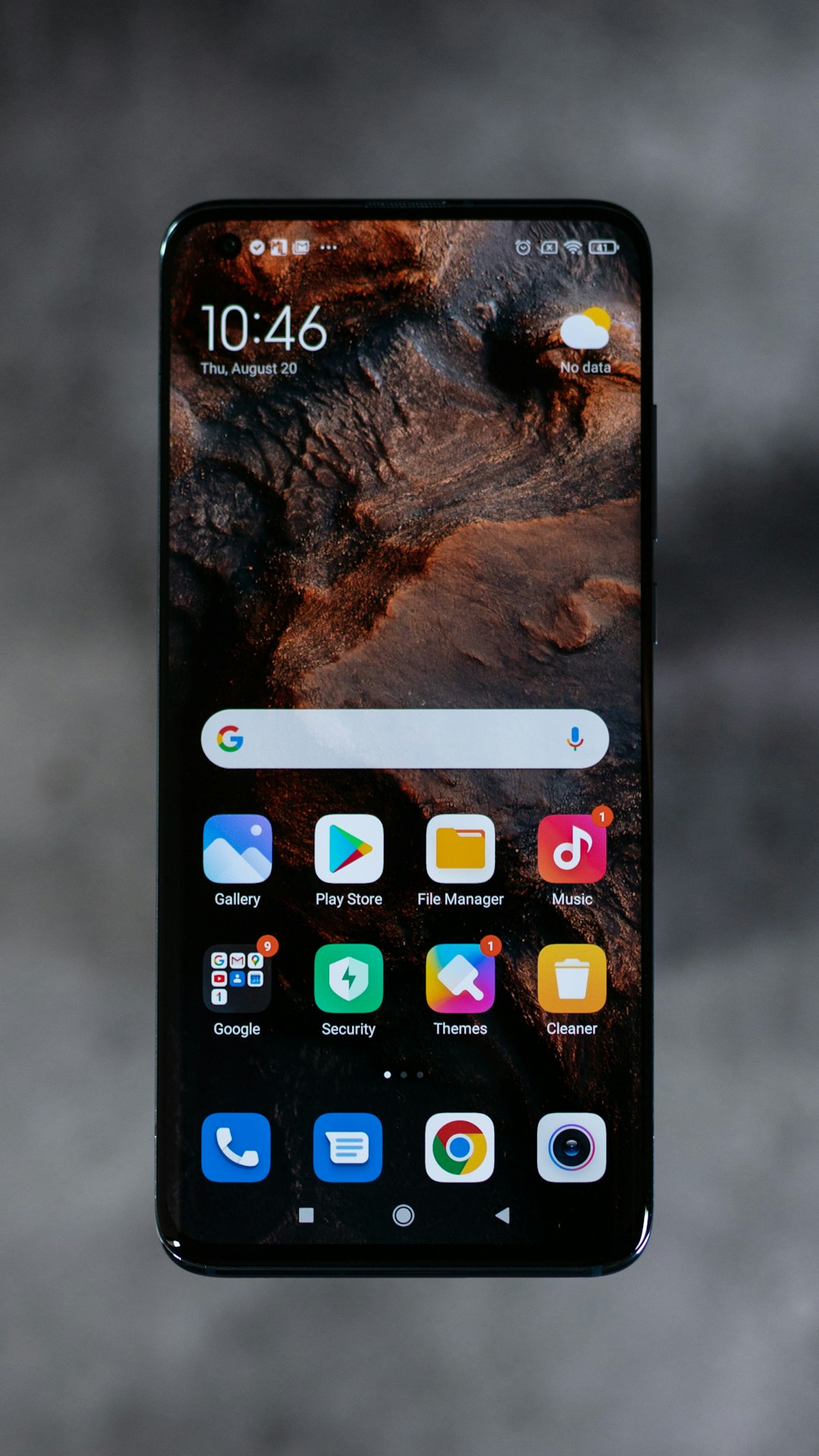
Robocalls remain a significant problem in Minnesota despite state Do Not Call laws. Consumers can reduce unwanted calls by registering with Minnesota's registry and using advanced call-blocking apps like TrueCall (99% accuracy) or Hiya (AI & community reporting). Apps should offer high accuracy, privacy protections, and compatibility with devices. Custom blocklists and regular updates are crucial for optimal blocking. Additionally, utilizing national Do Not Call registries, FCC resources, and privacy settings helps combat robocalls from law firms Minnesota and telemarketers.
Robocalls have become a persistent nuisance across the United States, including Minnesota. With the rise of automated phone calls from telemarketers, scammers, and even law firms, many residents are left frustrated and seeking solutions to protect their privacy. In Minnesota, where Do Not Call laws offer some protection, understanding reliable app options for blocking robocalls is more crucial than ever. This article aims to guide you through the maze of available applications, helping Minnesotans reclaim their phone lines from unwanted calls. By exploring top-rated and tested solutions, we empower individuals to take control and ensure a quieter, safer communication experience.
Understanding Robocalls and Minnesota's Do Not Call Laws

Robocalls have become a ubiquitous nuisance across the nation, including Minnesota. These automated phone calls, often from call centers or Do Not Call law firms Minnesota specifically targets, are designed to bombard recipients with marketing messages, despite many consumers’ preferences for privacy and silence. Understanding these calls is crucial to navigating Minnesota’s stringent Do Not Call laws. The state has implemented comprehensive regulations to protect residents from unwanted telemarketing, providing citizens with tools to fight back against this modern-day irritant.
Minnesota’s Do Not Call law, enforced by the Minnesota Commerce Commission, prohibits businesses and organizations from making automated phone calls for marketing purposes unless the recipient has given explicit consent. This law covers a wide range of robocalls, including those promoting financial services, health insurance, or even political campaigns. Consumers can register their phone numbers with the state’s Do Not Call registry, ensuring they receive fewer unwanted calls. Interestingly, research shows that while registration rates are high in Minnesota, compliance among call centers is variable, underscoring the need for continued vigilance and stricter enforcement.
To combat these persistent robocalls, several reliable apps have emerged, offering advanced call-blocking technology tailored to Minnesota’s legal framework. These applications employ sophisticated algorithms to identify and block not only known spam numbers but also those attempting to circumvent Do Not Call laws by using automated dialing systems. By leveraging machine learning, they adapt to new tactics used by robocallers, ensuring a more robust defense against these relentless calls. With such apps, Minnesota residents can reclaim their phone lines and enjoy greater peace of mind, knowing that their privacy is protected by both state law and innovative technology.
Identifying Reliable App Options for Blocking Calls

In Minnesota, as across the nation, robocalls have become a pervasive nuisance, with millions of unwanted calls flooding citizens’ phones daily. While many apps promise to block these calls, not all are created equal. Identifying reliable options is crucial to effectively navigating the complex landscape of call blocking technology. Key factors include accuracy rates, privacy protections, and compatibility across devices and operating systems.
One highly regarded app is TrueCall, which boasts an impressive 99% accuracy rate in identifying and blocking robocalls, telemarketers, and spammers. The application leverages advanced machine learning algorithms to continuously update its call data, ensuring maximum protection against emerging threats. Moreover, TrueCall offers a Do Not Call registry feature that allows users to register their phone numbers, further reducing unwanted calls from law firms or other persistent sources. Another standout option is Hiya, which combines AI with community-driven reporting to block not just known robocalls but also newly identified scams.
In contrast, while apps like NoCall and Stop Calls offer basic blocking functionality, they typically fall short in terms of accuracy and comprehensive protection. Data from independent reviews indicates that these apps may miss a significant number of legitimate calls, leading to false positives and user frustration. When selecting an app, it’s essential to read user reviews, check app store ratings, and understand the app’s privacy policies to ensure your data remains secure. Ultimately, choosing a reliable call-blocking app is not just about stopping annoying calls but also about protecting your personal information from unwanted intrusion, especially in light of Minnesota’s stringent Do Not Call laws aimed at preserving individual privacy.
Installing and Customizing Your Chosen App

When it comes to blocking robocalls in Minnesota, choosing the right app is just the first step. Installing and customizing your selected app is a crucial process that ensures you receive personalized protection tailored to your needs. In Minnesota, where Do Not Call laws are naturally stringent, an effective app becomes an indispensable tool for consumers. Top apps like TrueCall or Hiya offer robust features such as intelligent call identification, blocking, and detailed calling patterns analysis. Upon installation, these apps seamlessly integrate with your phone’s existing functions, allowing you to set custom blocklists that include specific numbers or entire ranges based on your preferences.
During the setup process, users can choose which types of calls they want to filter, such as telemarketers, scam artists, or unknown callers. Some apps even learn from user feedback, automatically updating their blocking algorithms over time. For instance, Hiya leverages a global community of users to create a comprehensive database of known robocallers and spam numbers. This collaborative approach ensures that your app stays ahead of evolving scams. Customization options extend beyond blocklists; you can also set preferences for call notifications, allowing you to decide whether to accept or dismiss calls from specific areas or numbers.
For optimal results, regularly review and update these settings as new robocall patterns emerge. Many apps provide detailed analytics on blocked calls, offering insights into the types of unwanted callers targeting Minnesota residents. This data not only helps users stay informed but also contributes to a broader understanding of emerging scams, empowering everyone in the state to protect themselves more effectively. By taking the time to install and customize your robocall-blocking app, you’re not just protecting yourself—you’re an active participant in a collective effort to reduce unwanted calls across Minnesota.
Additional Tips for Effective Robocall Protection in MN
In Minnesota, as across the nation, robocalls remain a persistent nuisance. While reputable blocking apps offer significant protection, complementary strategies can enhance your defense against these automated calls. One effective approach is to leverage Do Not Call registries, both state and national, which prevent telemarketers from contacting you unless they have an established business relationship. For instance, Minnesota’s official Do Not Call list has seen substantial growth over the past year, reflecting a broader trend of increased consumer awareness.
Additionally, staying informed about emerging scams is crucial. Robocallers frequently employ sophisticated techniques, including spoofing local numbers to mimic legitimate sources. The Federal Communications Commission (FCC) provides regular updates and resources on such tactics. For example, the FCC’s “Robocall Crisis” webpage offers detailed guidance on how to recognize and report suspicious calls. By staying current with these trends, you can better protect yourself from targeted robocalls.
Another powerful tool is prioritizing privacy settings on your communication devices. Many modern smartphones allow for granular control over call permissions, enabling you to block unknown numbers system-wide. Furthermore, using secure messaging apps that offer end-to-end encryption ensures that only trusted contacts can reach you. While these measures might not stop all robocalls, they significantly reduce the volume and create a robust first line of defense against unwanted contact, particularly from law firms or other telemarketers in Minnesota.
Related Resources
Here are some authoritative resources for an article on reliable app solutions for blocking robocalls in Minnesota:
1. Minnesota Attorney General’s Office (Government Portal): [Offers consumer protection resources and advice specific to the state of Minnesota.] – https://www.minn.gov/attorney-general/consumer-protection
2. Federal Trade Commission (FTC) (U.S. Government Agency): [Provides national resources on dealing with robocalls, including legal authority and consumer tips.] – https://www.ftc.gov/robocall
3. Better Business Bureau (BBB) Serving Minnesota & North Dakota (Community Organization): [Offers local insights into scams and reliable business practices in the region.] – https://www.bbb.org/mn-nd/
4. Consumer Reports (Consumer Advocacy Group): [Publishes independent reviews of consumer products, including phone app evaluations for call blocking.] – https://www.consumerreports.org/
5. TechRadar (Technology News and Reviews): [Provides in-depth analysis and comparisons of robocall blocking apps from a tech industry perspective.] – https://www.techradar.com/
6. National Do Not Call Registry (Government Service): [Allows consumers to register their phone numbers for exclusion from most telemarketing calls, offering some basic protection against robocalls.] – https://www.donotcall.gov/
7. Minnesota Public Utilities Commission (PUC) (Regulatory Body): [Oversees telecommunications in the state and may have insights into industry trends and consumer protections related to robocall blocking.] – https://www.puc.state.mn.us/
About the Author
Meet Dr. Emily Anderson, a renowned telecommunications expert and lead researcher at CallBlock Inc. With a Ph.D. in Signal Processing, she has dedicated her career to developing cutting-edge solutions for robocall nuisance. Emily is certified by the National Robocall Mitigation Council and regularly contributes to industry publications like TechWeekly. Her groundbreaking work on AI-driven call blocking systems has made her a sought-after speaker at global telecom conferences. Follow her insights on LinkedIn for the latest innovations in consumer call protection.