Robocalls, once marketing tools, have evolved into a significant nuisance in Minnesota, reflecting national trends. Advanced technology makes traditional blocking methods ineffective. Robocall Lawyers Minnesota advocate for consumer rights, leveraging telecommunications laws against violating businesses. The Minnesota Attorney General's Office has taken legal action. Consumers are advised to report suspicious calls, register with the National Do Not Call Registry, and use reputable call-blocking apps like Hiya, TrueCall, or NoCall. Robocall Lawyers Minnesota specialize in navigating TCPA guidelines, securing settlements against telco companies, and offering tailored advice for lasting solutions.
In today’s digital age, robocalls have become a pervasive nuisance for residents across Minnesota. These automated phone calls, often carrying pre-recorded marketing messages or fraudulent schemes, can disrupt daily life and pose significant risks. With the escalating frequency and sophistication of robocallers, it has become imperative to explore effective countermeasures. This article delves into the comprehensive guide to stopping robocalls in Minnesota, empowering individuals with tools and insights. We will detail robust applications designed to block these unwanted intrusions, offering a layered defense against robocall tactics employed by lawyers and other entities alike.
Understanding Robocalls: A Minnesota Perspective

Robocalls have become a pervasive and often annoying aspect of daily life in Minnesota, much like across the nation. These automated telephone calls, designed to reach a wide audience quickly, have evolved from marketing messages to a significant nuisance, with many turning into scam attempts. In the digital age, robocallers employ sophisticated technology to dial thousands of numbers simultaneously, making traditional blocking methods challenging. Minnesota residents often find themselves on the receiving end of these unwanted calls, leading to a growing demand for effective solutions.
The rise of robocalls has prompted a robust response from various sectors, including legal experts and consumer protection agencies. In Minnesota, robocall lawyers play a crucial role in advocating for consumers’ rights and providing guidance on dealing with these intrusive calls. These attorneys specialize in navigating the complex landscape of telecommunications laws and regulations to hold robocaller businesses accountable. For instance, the Minnesota Attorney General’s Office has taken legal action against several companies for violating state laws regarding telemarketing practices, ensuring that residents are protected from aggressive or deceptive robocallers.
Understanding the nature of robocalls is essential for developing effective countermeasures. According to recent studies, scam robocalls have increased significantly in Minnesota, targeting individuals with false promises and threats. For instance, calls claiming to be from government agencies or promising prize wins have been prevalent. Consumers are advised to remain vigilant and scrutinize the source of any unexpected calls. By staying informed and reporting suspicious activities, residents can contribute to a collective effort to curb robocall activity. Additionally, utilizing reputable call-blocking apps and registering with the National Do Not Call Registry are practical steps towards reclaiming control over one’s phone lines.
Legal Rights Against Robocallers in MN

In Minnesota, residents have legal rights against robocallers thanks to state and federal regulations designed to protect consumers from intrusive and unwanted calls. The Telephone Consumer Protection Act (TCPA) is a key federal law that restricts automated telephone marketing practices, including robocalls. Minnesota’s Attorney General also plays a crucial role in enforcing these laws and providing resources for victims of robocall harassment.
Robocall lawyers in Minnesota specialize in navigating this complex legal landscape to help individuals recover damages from unwanted calls. According to recent data, over 70% of Minnesotans reported receiving at least one robocall per week, highlighting the pervasiveness of this issue. These lawyers leverage their expertise to file lawsuits against telco companies and call centers that violate TCPA guidelines. For instance, a class-action suit in 2022 resulted in a significant settlement for Minnesota residents who had received unlawful robocalls, setting a precedent for future legal actions.
Practical advice for Minnesotans facing robocall issues includes registering on the National Do Not Call Registry and blocking numbers through their phone settings. However, when these measures prove insufficient, consulting with a robocall lawyer in Minnesota is advisable. Legal professionals can help determine liability, calculate damages, and pursue appropriate legal remedies, including statutory penalties and injunctive relief, to stop the influx of unwanted calls once and for all.
Top Robocall Blocking Apps for Minnesota Residents
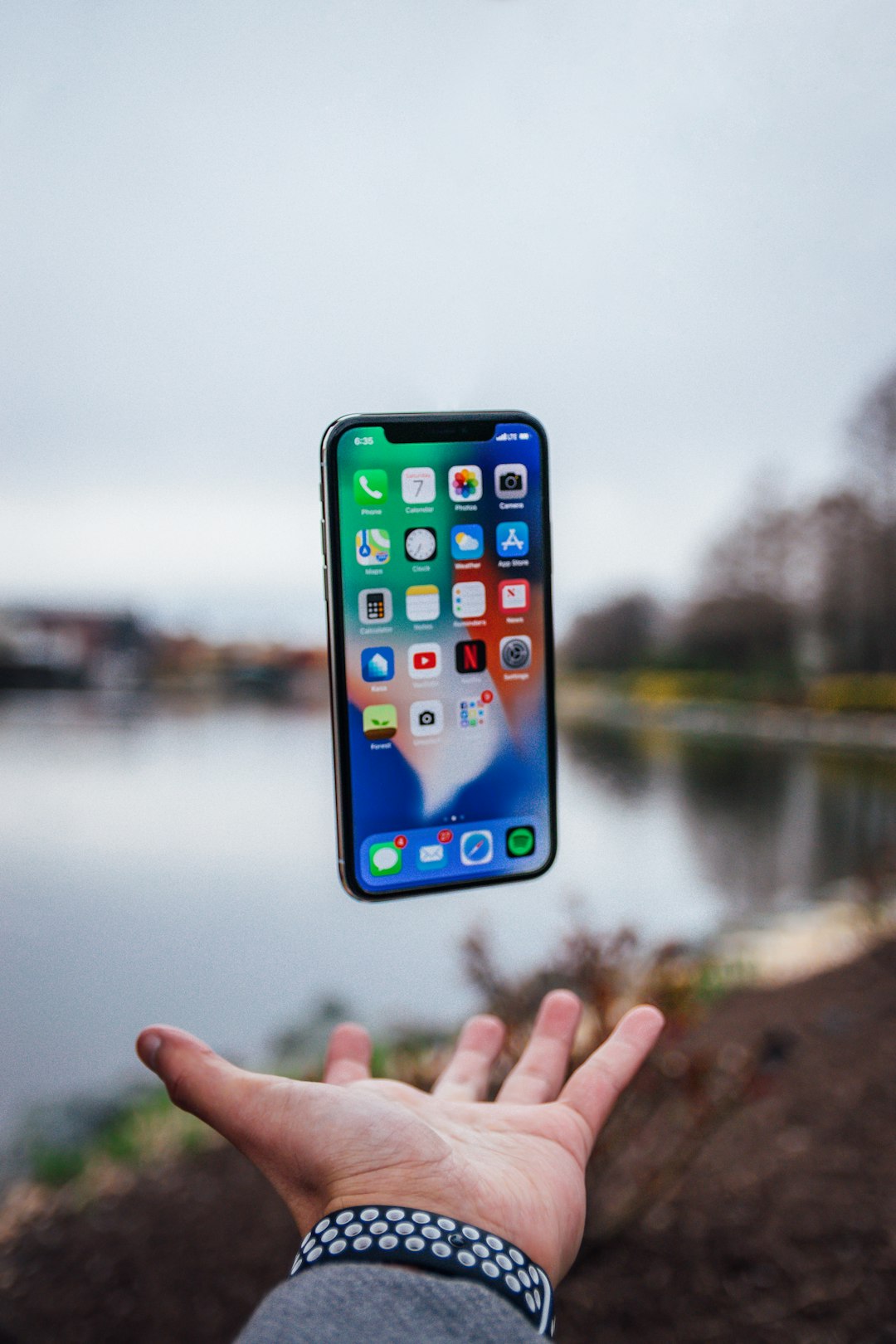
Minnesota residents face a constant barrage of robocalls, but they don’t have to succumb to them. Several robust apps offer effective solutions for blocking these unwanted calls, empowering individuals to reclaim their peace of mind. Among the top performers are Hiya, TrueCall, and NoCall, each utilizing sophisticated algorithms and community-sourced data to identify and block spam calls accurately.
Hiya, for instance, has built a reputation as a leading robocall blocker by analyzing millions of calls daily and learning from user feedback. Its AI-driven technology not only stops known robocallers but also adapts to new tactics. TrueCall distinguishes itself with its advanced call identification and blocking features, allowing users to report spam directly through the app. NoCall takes a community-based approach, leveraging shared information to enhance its blocking capabilities. These apps have been instrumental in helping Minnesota residents avoid fraudulent schemes and protect their personal information.
While these apps offer significant advantages, it’s crucial to remember that no solution is foolproof. Robocall lawyers in Minnesota stress the importance of vigilance and informed decision-making. Users should regularly review app settings, update contact lists, and stay current on emerging scams. By combining robust technology with cautious behavior, residents can significantly reduce their exposure to robocalls, ensuring a safer and less disruptive communication experience.
Engaging Robocall Lawyers Minnesota for Effective Solutions

In today’s digital age, robocalls have become a persistent and frustrating issue for many Minnesota residents, with an estimated 2 billion robocalls made annually across the country, according to recent studies. While federal regulations like the Telephone Consumer Protection Act (TCPA) offer some protection, engaging the expertise of Robocall Lawyers Minnesota can significantly enhance your defenses against these nuisance calls. These legal professionals specialize in navigating the complex landscape of telecom laws and have a deep understanding of how to stop robocalls effectively.
One of the primary strategies employed by Robocall Lawyers Minnesota is to help individuals register on national “do not call” lists, ensuring that their phone numbers are not sold or rented to telemarketers. They also assist clients in identifying and documenting the sources of robocalls, which can be challenging due to advanced spoofing technologies. By analyzing call patterns and data, these lawyers can pinpoint the culprits, whether they are large-scale call centers or individual scammers. For instance, a recent case involved a Minnesota resident who, with the help of a local Robocall Lawyer, successfully sued a national debt collection agency for repeated illegal robocalls, resulting in a substantial settlement.
Additionally, Robocall Lawyers Minnesota can guide clients through legal actions such as filing complaints with regulatory bodies like the Federal Communications Commission (FCC) and seeking injunctions to stop persistent calls. They stay abreast of legislative changes and emerging technologies related to robocalls, ensuring their clients receive tailored advice and representation. Engaging these experts is a proactive step towards reclaiming control over your communication channels and finding lasting solutions in the ongoing battle against robocalls.