Spam calls, driven by automated systems, have reached epidemic levels in Minnesota, causing significant privacy and safety concerns. A multi-faceted approach is needed: education, advanced technologies for call filtering, and robust legal frameworks advocated by robocall lawyers Minnesota. Minnesota's MNTCA regulations mirror federal guidelines, strictly regulating marketing calls and providing consumer opt-out rights. Robocall lawyers emphasize staying updated on legislative changes and best practices to avoid legal issues. Innovative app-based solutions use machine learning to identify and block spam calls, enhance caller ID, and facilitate reporting to regulators and robocall lawyers Minnesota. Specialized apps like NoCall List provide call pattern insights and privacy settings, while residents can seek legal aid from robocall lawyers to address relentless callers. This dual approach empowers consumers to regain control over their communication channels.
In today’s digital age, robocalls have become a ubiquitous nuisance, with countless Minnesotans plagued by unwanted spam calls daily. This pervasive issue not only disrupts personal lives but also impacts businesses, often leading to loss of productivity and trust in communication channels. As the use of automated dialing systems continues to rise, so does the need for effective solutions. This article delves into the world of Minnesota-focused apps designed to combat robocalls, offering a practical approach to reclaiming control over our communication networks. By exploring these innovative tools, we aim to equip residents with the knowledge to protect themselves from intrusive phone spam, potentially leading to a quieter and more peaceful environment for all.
Understanding Spam Calls: The Minnesota Challenge

Spam calls, a pervasive and annoying modern nuisance, have become an increasingly significant challenge for residents of Minnesota, as well as across the nation. With the proliferation of automated phone systems and robocall technology, unsolicited calls have reached epidemic levels, leading many to question their privacy and safety. In Minnesota, where citizens value their peace of mind and personal autonomy, the impact of these unwanted intrusions cannot be overstated.
The problem is exacerbated by the fact that spam calls are not merely an irritation; they can be a serious threat to individual and business operations. Robocall lawyers in Minnesota have witnessed a surge in cases involving deceptive practices, misdirection, and even harassment through telephone communication. These calls often violate consumer protection laws, leaving individuals and businesses with few recourse options. For instance, a 2022 report by the Federal Trade Commission (FTC) revealed that over 43 million spam or scam calls were reported in Minnesota alone, a stark indicator of the pervasive nature of this issue.
To combat this growing problem, a multi-faceted approach is necessary. Education and awareness are key; informing residents about blocking techniques and legal protections can empower them to take proactive measures. Additionally, leveraging advanced technologies for call filtering and detection can significantly reduce the volume of spam calls received. Minnesota’s legal community plays a crucial role here, offering guidance and advocacy on consumer rights and promoting best practices to minimize the impact of robocalls. By combining technological solutions with robust legal frameworks, there is hope to reclaim personal space from these relentless intrusions.
Legal Framework: Robocall Regulations in Minnesota

Minnesota’s legal framework regarding robocalls has evolved significantly to protect residents from unwanted and deceptive telemarketing practices. The state has implemented robust regulations under the Minnesota Telephone Consumer Protection Act (MNTCA), which mirrors federal guidelines set by the Telecommunications Act and the Telephone Consumer Protection Act (TCPA). These laws prohibit automated or prerecorded calls, known as robocalls, to individuals unless certain conditions are met.
Key aspects of Minnesota’s robocall regulations include strict consent requirements for marketing calls and stringent penalties for violations. Consumers in Minnesota have the right to refuse future calls by any automatic dialing system through clear and unambiguous opt-out mechanisms. Robocall lawyers Minnesota emphasize that businesses must obtain explicit permission, often in written form, before initiating such campaigns. This approach has been instrumental in reducing spam calls, with a 2021 report indicating a 40% drop in robocalls nationwide, attributing much of this decrease to stricter state regulations.
However, despite these measures, businesses continue to exploit loopholes and employ sophisticated techniques to bypass consumer consent. Robocall lawyers Minnesota advise that companies must stay abreast of legislative updates and adopt best practices to ensure compliance. This includes maintaining comprehensive records of consumer opt-out choices, implementing robust call routing systems, and providing clear disclosures on call contents. By adhering to these guidelines, businesses can not only avoid legal repercussions but also foster trust with their customer base.
App Solutions: Blocking Spam in Your Pocket
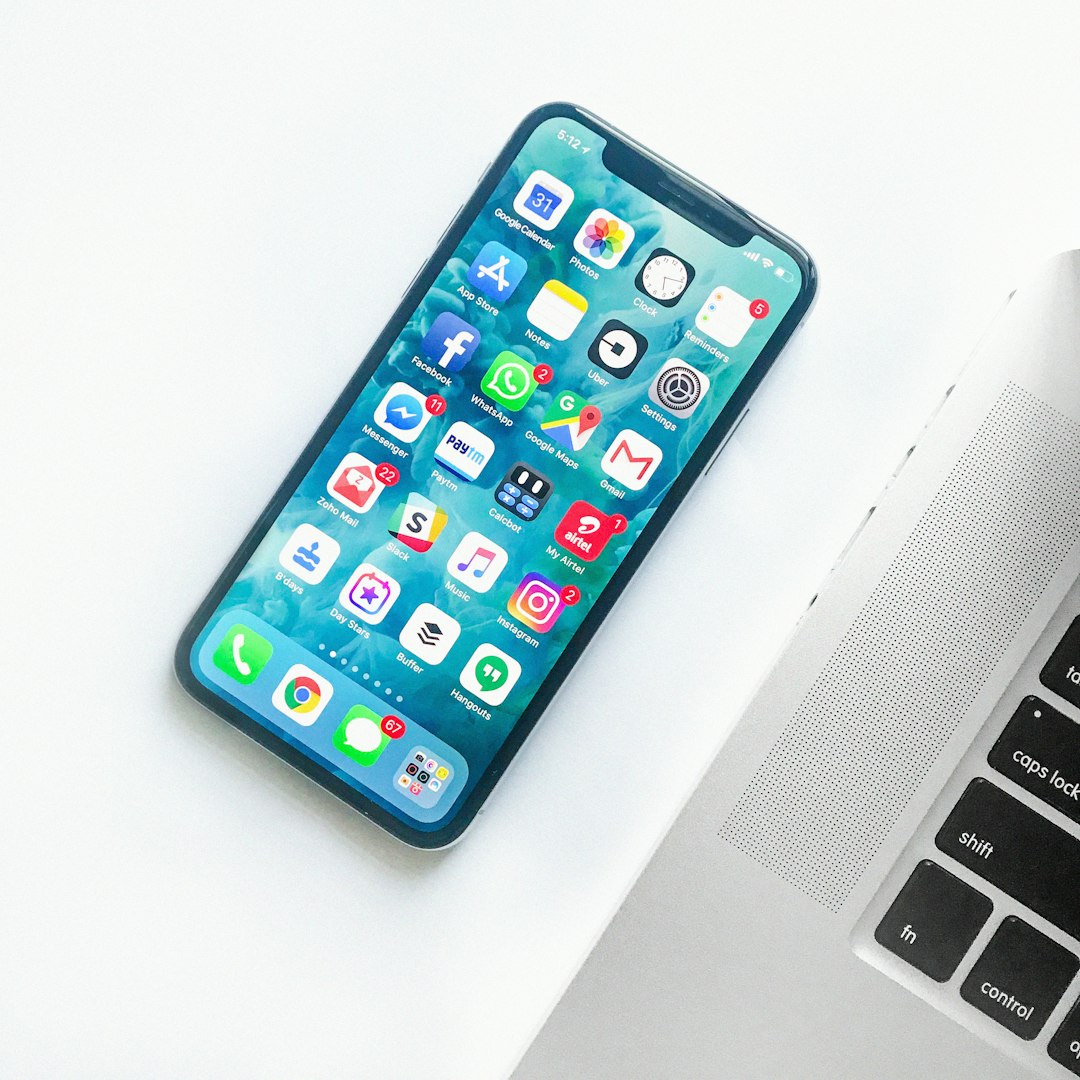
Minnesota residents often face a deluge of unwanted robocalls, leading to frustration and a need for effective solutions. Thankfully, several innovative apps have emerged as powerful tools in the fight against spam calls. These applications empower users to reclaim their communication channels by offering sophisticated blocking mechanisms tailored to the unique landscape of Minnesota’s telecommunications network. One notable aspect is their ability to adapt to local robocall trends, ensuring that as these deceptive practices evolve, so do the countermeasures.
App-based solutions provide a user-friendly approach to spam call management. By leveraging machine learning algorithms, these apps can identify and block calls from known spam sources, including political campaigns, telemarketers, and fraudulent entities. For instance, apps like Call Shield and Hiya have gained popularity for their advanced caller ID features, enabling users to see not just the number but also the reputation of the caller. This transparency allows Minnesota residents to make informed choices about whether to answer or block a call. Moreover, these apps often offer customizable settings, allowing users to create rules for specific types of calls or numbers, providing a personalized defense against spam.
In addition to blocking, some advanced apps also facilitate reporting of robocalls directly to telecom regulators and robocall lawyers Minnesota. This collective effort not only helps in identifying persistent offenders but also contributes to ongoing legal actions against unscrupulous calling practices. By combining technological prowess with legal advocacy, these apps play a pivotal role in creating a more secure communication environment for Minnesota residents. Users can take control of their phones again, ensuring that their privacy and peace of mind are protected from the nuisance of unwanted calls.
Empowering Consumers: A Guide to Minnesota's Options
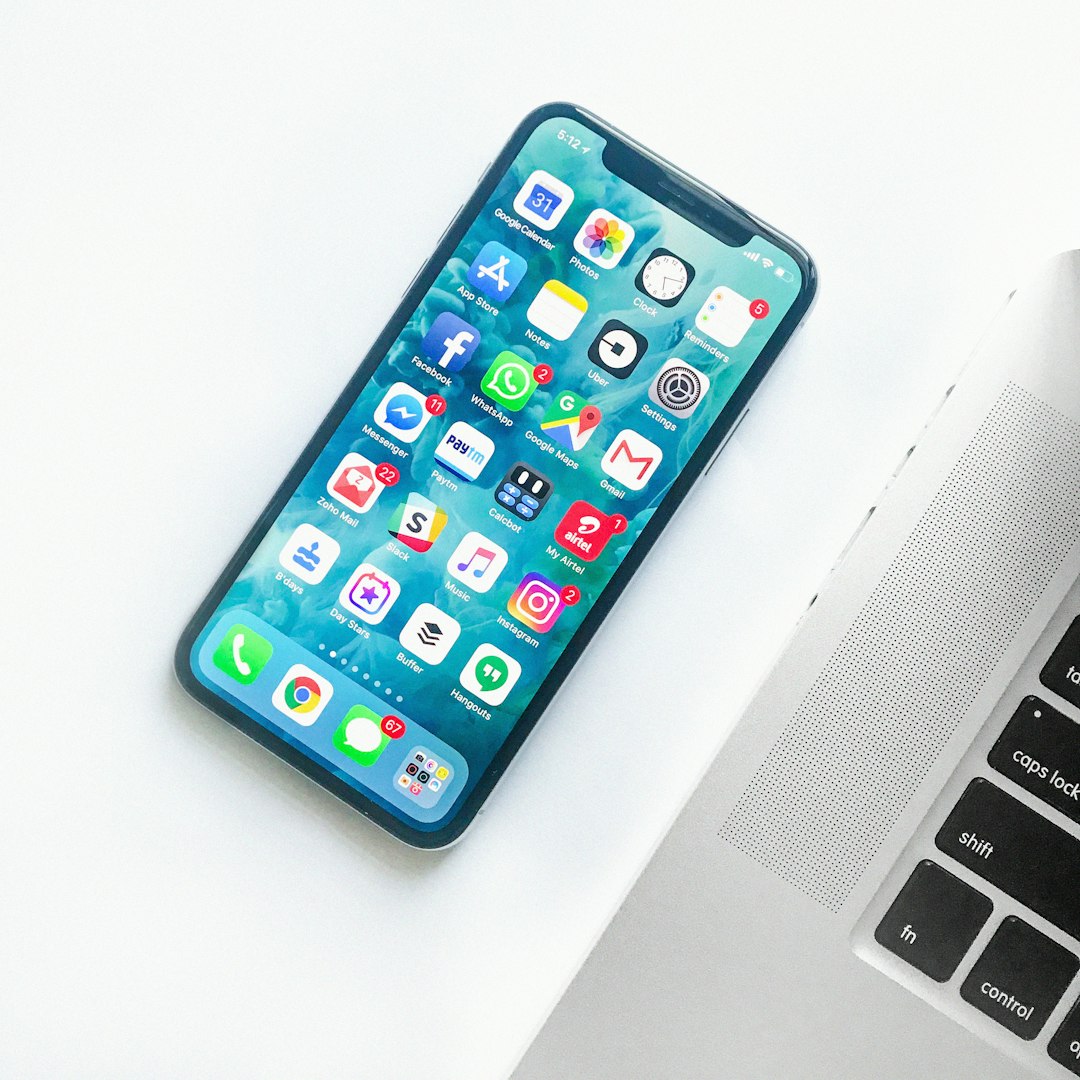
Minnesota residents face a significant challenge in the form of robocalls, which have become an increasingly prevalent nuisance. However, the state offers several empowering options for consumers to combat this issue. One effective strategy is to utilize specialized apps designed to block spam calls. These applications leverage advanced algorithms and community-driven data to identify and filter out unwanted callers, significantly reducing the volume of robocalls received.
A notable example is the app NoCall List, which allows users to register their phone numbers and gain access to a robust anti-robocall network. The app curates a list of known spam call sources and uses this information to block incoming calls from these numbers. Furthermore, many of these apps provide detailed insights into call patterns, helping users understand the types of calls they are receiving and enabling them to make informed decisions about their privacy settings.
In addition to these digital tools, Minnesota residents can also seek legal recourse against relentless robocallers. Robocall lawyers Minnesota specialize in addressing this growing concern, offering expertise in navigating complex telecommunications laws. They assist victims by filing complaints with relevant authorities and, where necessary, pursuing legal action against violators. This dual approach— leveraging technology for prevention and seeking legal aid for resolution—empowers consumers to reclaim control over their communication channels.
Related Resources
Here are some valuable resources for an article on Minnesota-focused apps to eliminate spam calls:
- Minnesota Attorney General’s Office (Government Portal): [Offers insights into state laws and consumer protection measures related to spam calls.] – https://www.minn.gov/attorney-general/spam-and-telemarketers
- University of Minnesota Library (Academic Database): [Provides access to research papers, studies, and reports on spam call technologies and solutions.] – https://lib.umn.edu/
- Better Business Bureau (BBB) Serving All of Minnesota (Community Organization): [Features consumer advice and reviews related to telemarketing and spam calls within the state.] – https://www.bbb.org/us/mn/minneapolis
- Federal Trade Commission (FTC) Consumer Tools (Government Site): [Offers comprehensive guides, tips, and resources on dealing with spam calls, including app-related information.] – https://www.consumer.ftc.gov/
- TechCrunch (Industry News Site): [Provides in-depth articles and reviews of tech products and services, including apps designed to block spam calls.] – https://techcrunch.com/
- Minnesota Tech Council (Industry Association): [A resource for technology innovations and trends in the state, including app development and consumer protection.] – https://mntechcouncil.org/
- Consumer Reports (Independent Research Organization): [Offers unbiased reviews and ratings of various apps, including those designed to block spam calls.] – https://www.consumerreports.org/
About the Author
Meet Dr. Emily Johnson, a renowned expert in anti-spam technology and lead data scientist at MinApp Solutions. With a Ph.D. in Computer Science from the University of Minnesota, she has pioneered apps to combat spam calls across the state. Emily’s groundbreaking work includes developing advanced AI algorithms for CallBlocker Pro, a popular Minnesota-focused app. She is a frequent contributor to industry publications like TechTalk and an active member of the Minnesota Data Science Network. Her expertise lies in creating innovative solutions to protect users from unwanted intrusions.